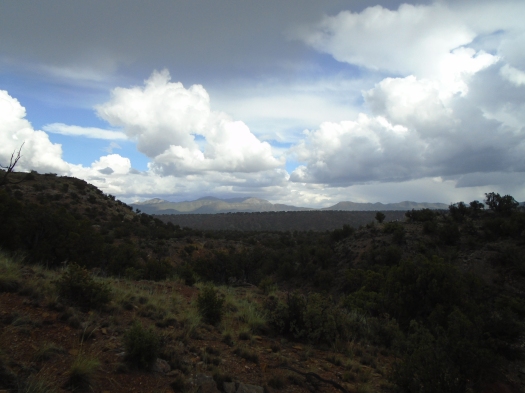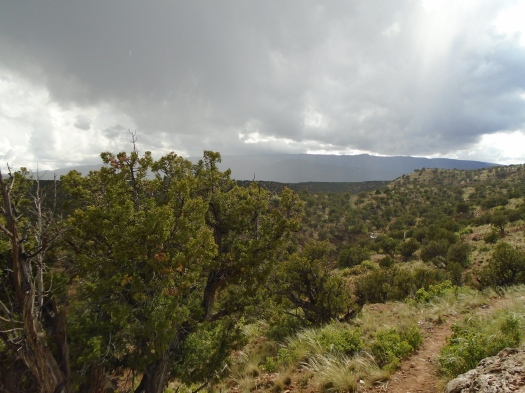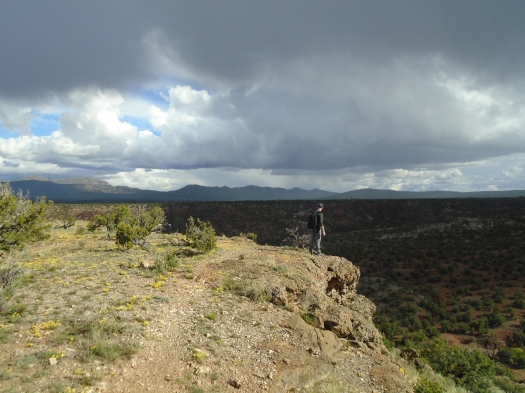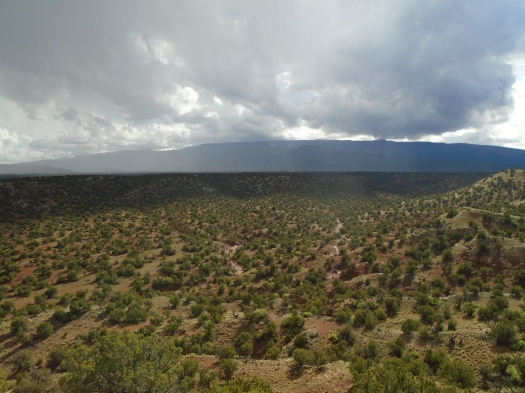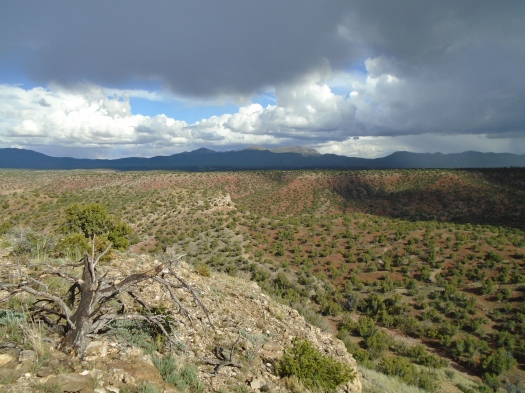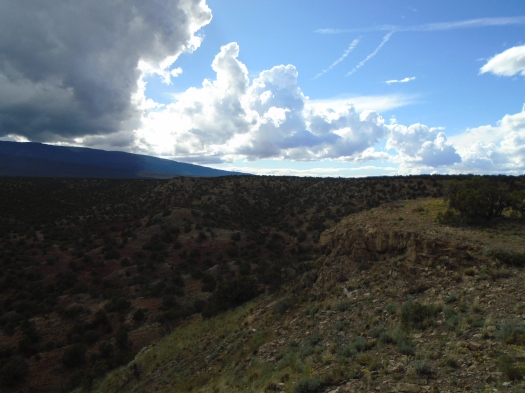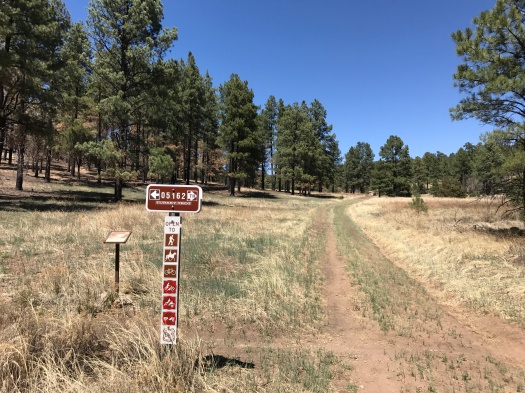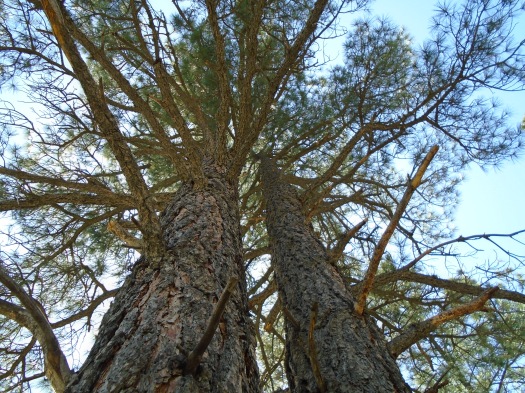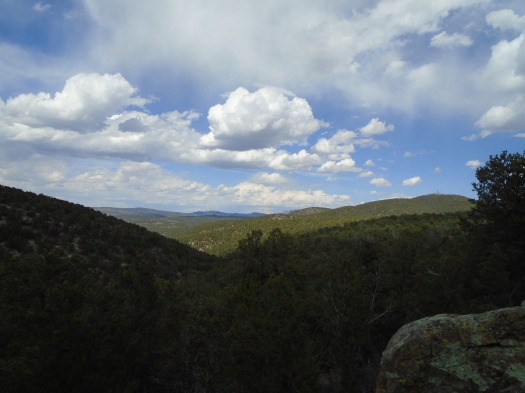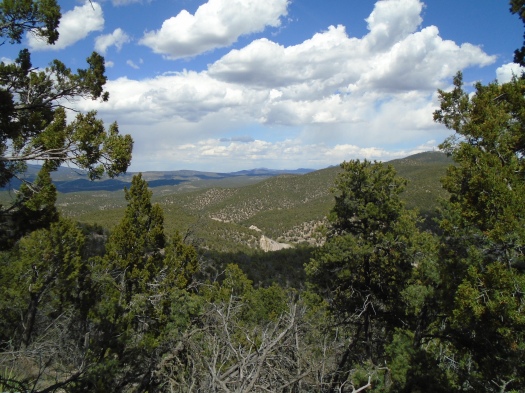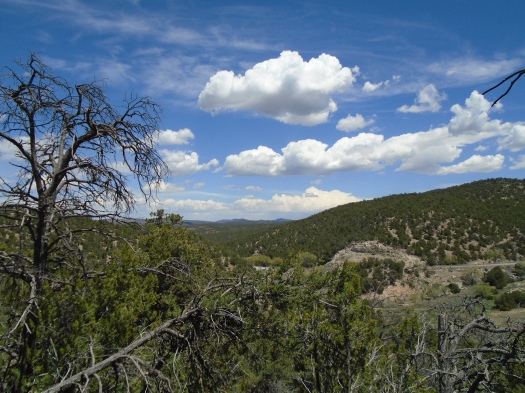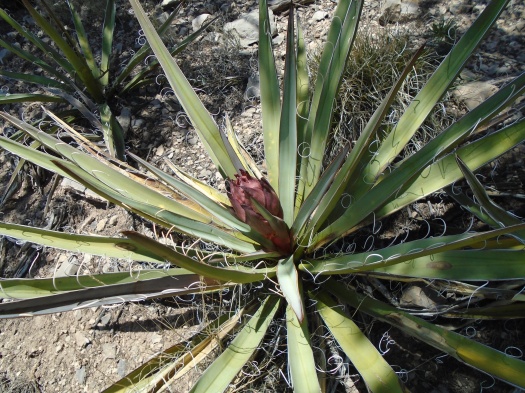
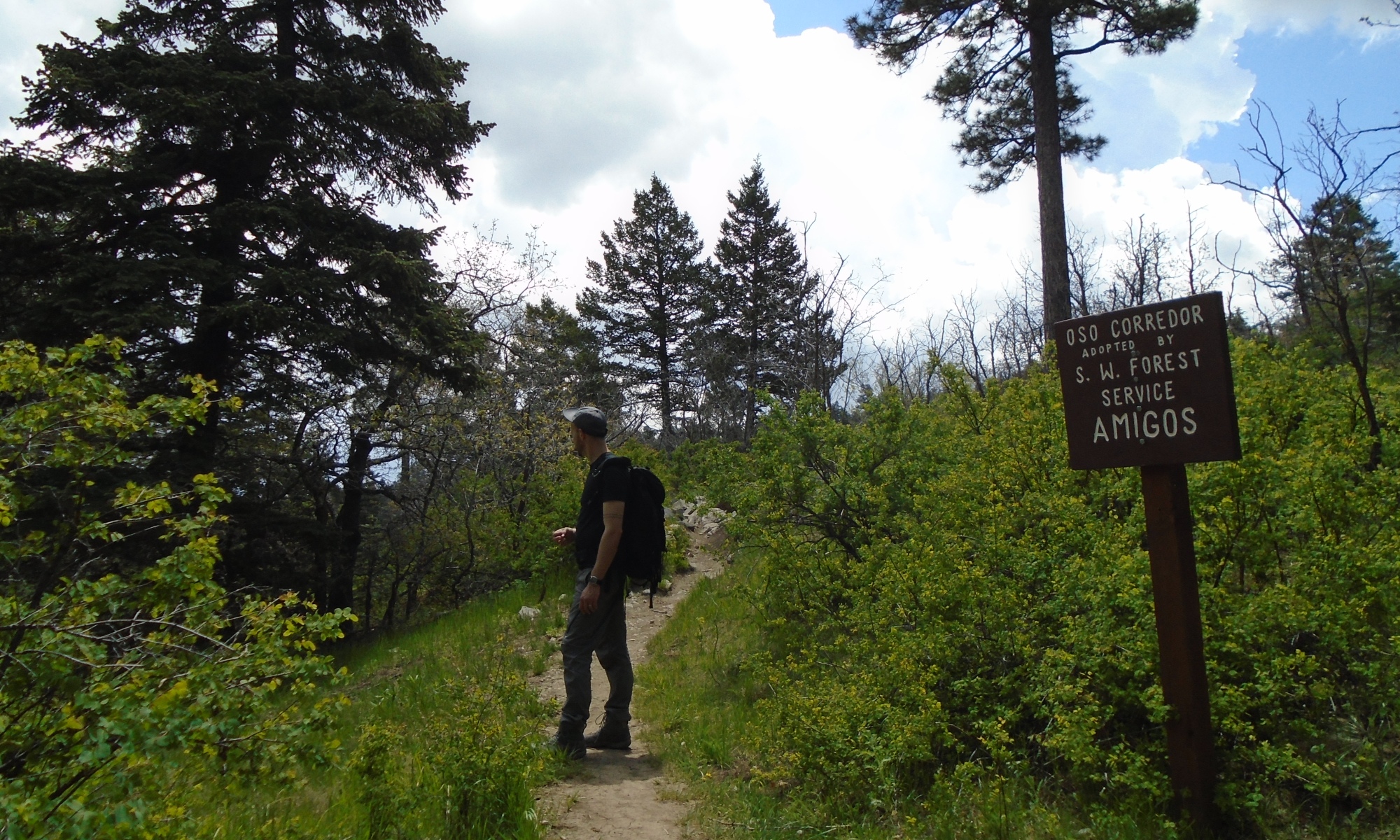
It’s evergreen (and heavy machinery) season on Oso Corredor Trail

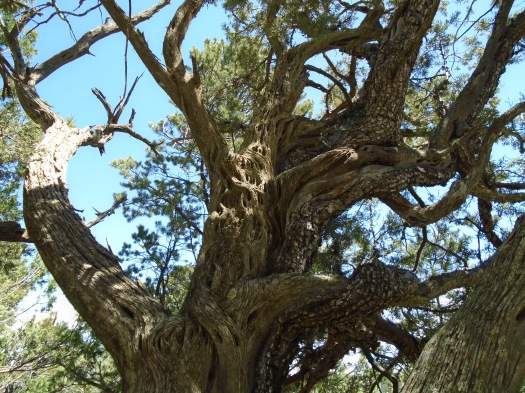
This trail smells like the inside of a jar of apple-cedarwood moonshine.

I know this because we recently received one of those from a friend. (It tastes as good as it sounds.)

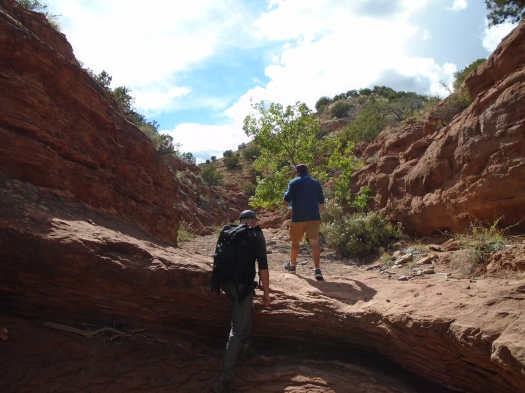
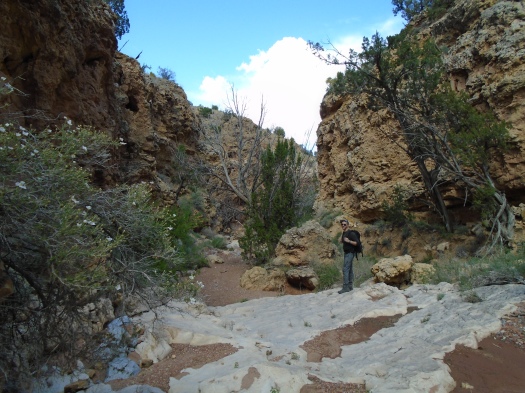
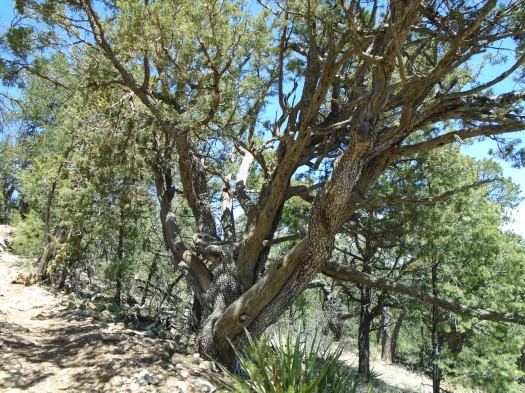
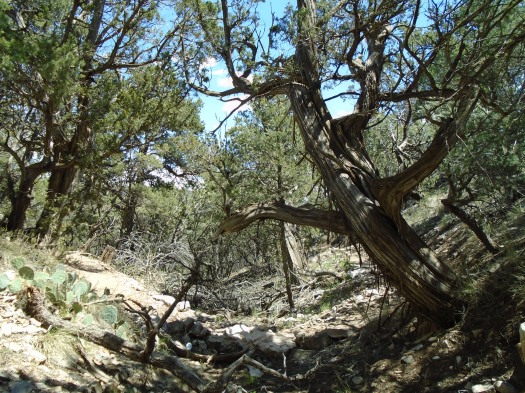
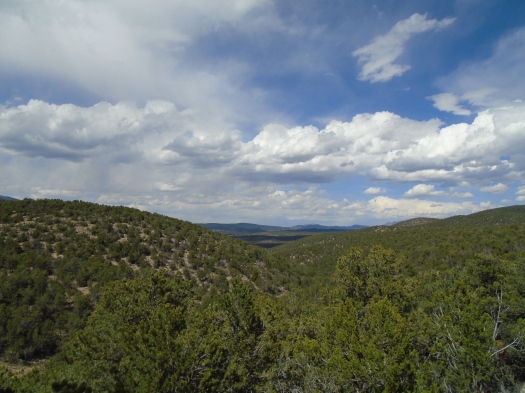
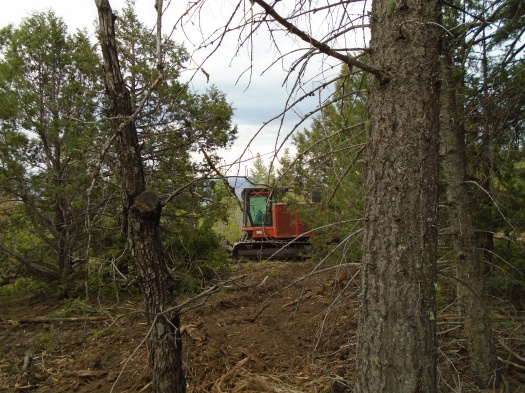
We showed up at Oso Corredor Trail in the Sandias to find a serious forest-thinning operation taking place. Heavy equipment buzzed just beyond the trail, reducing swaths of trees to splinters. I stuck my nose in the deep red heart of a masticated cedar trunk.
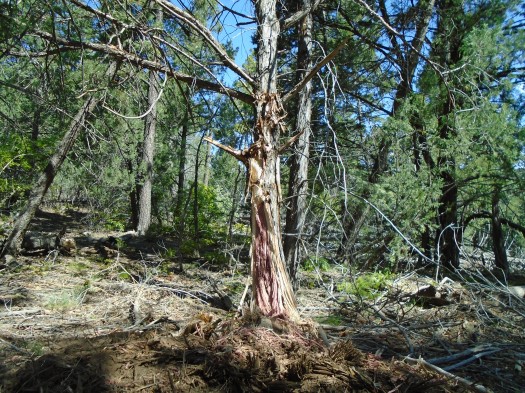
DSC01852

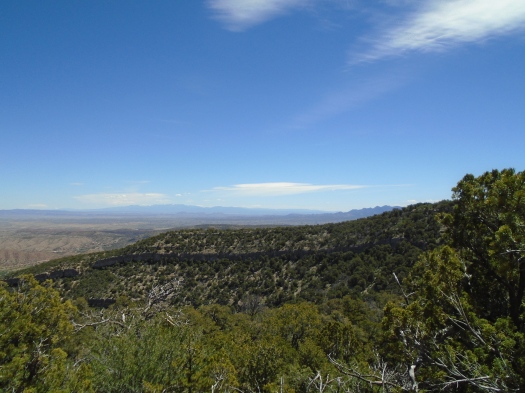
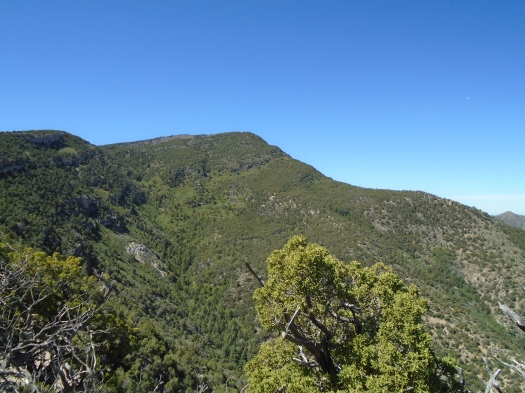
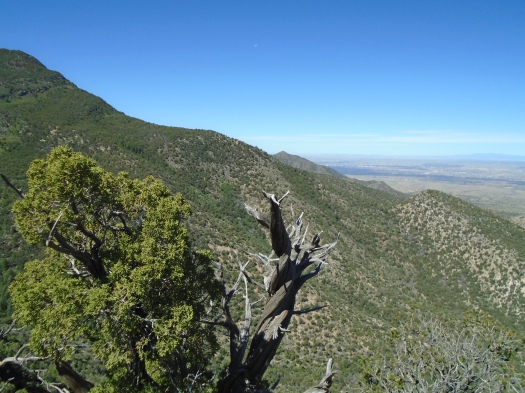
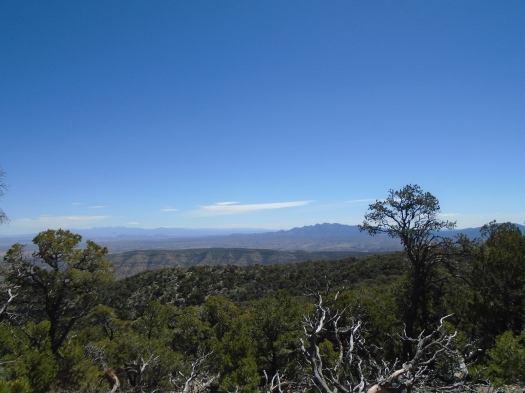
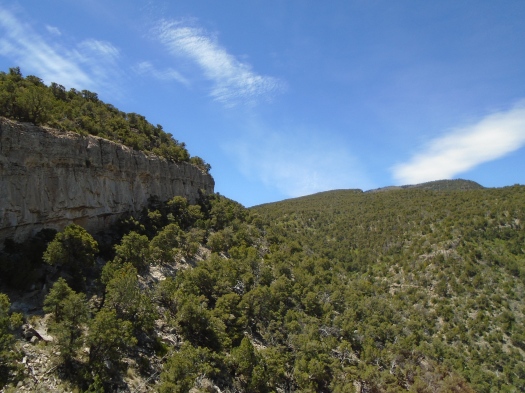
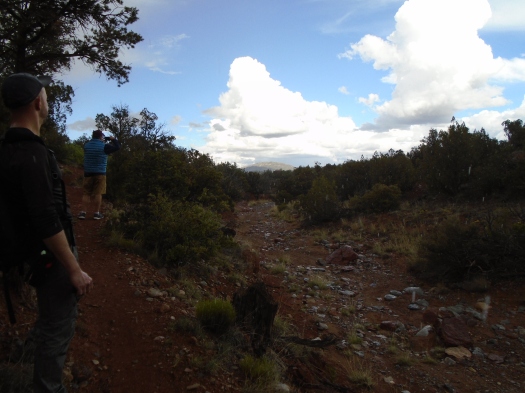
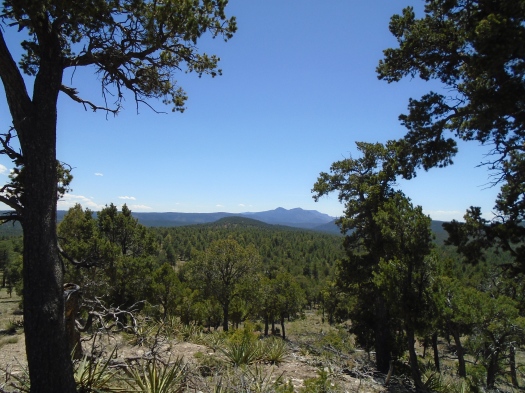
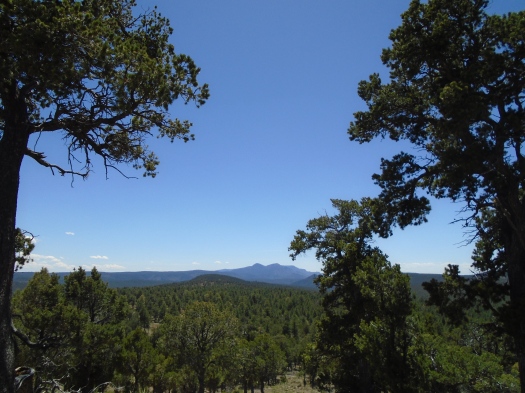
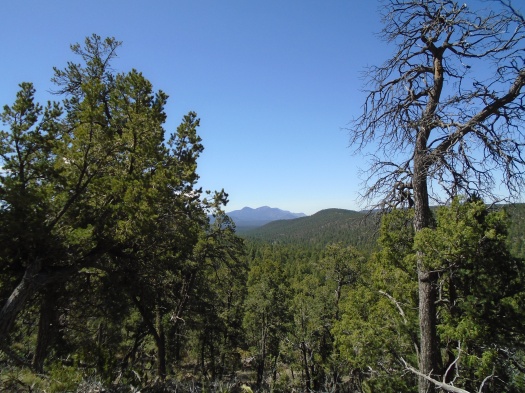
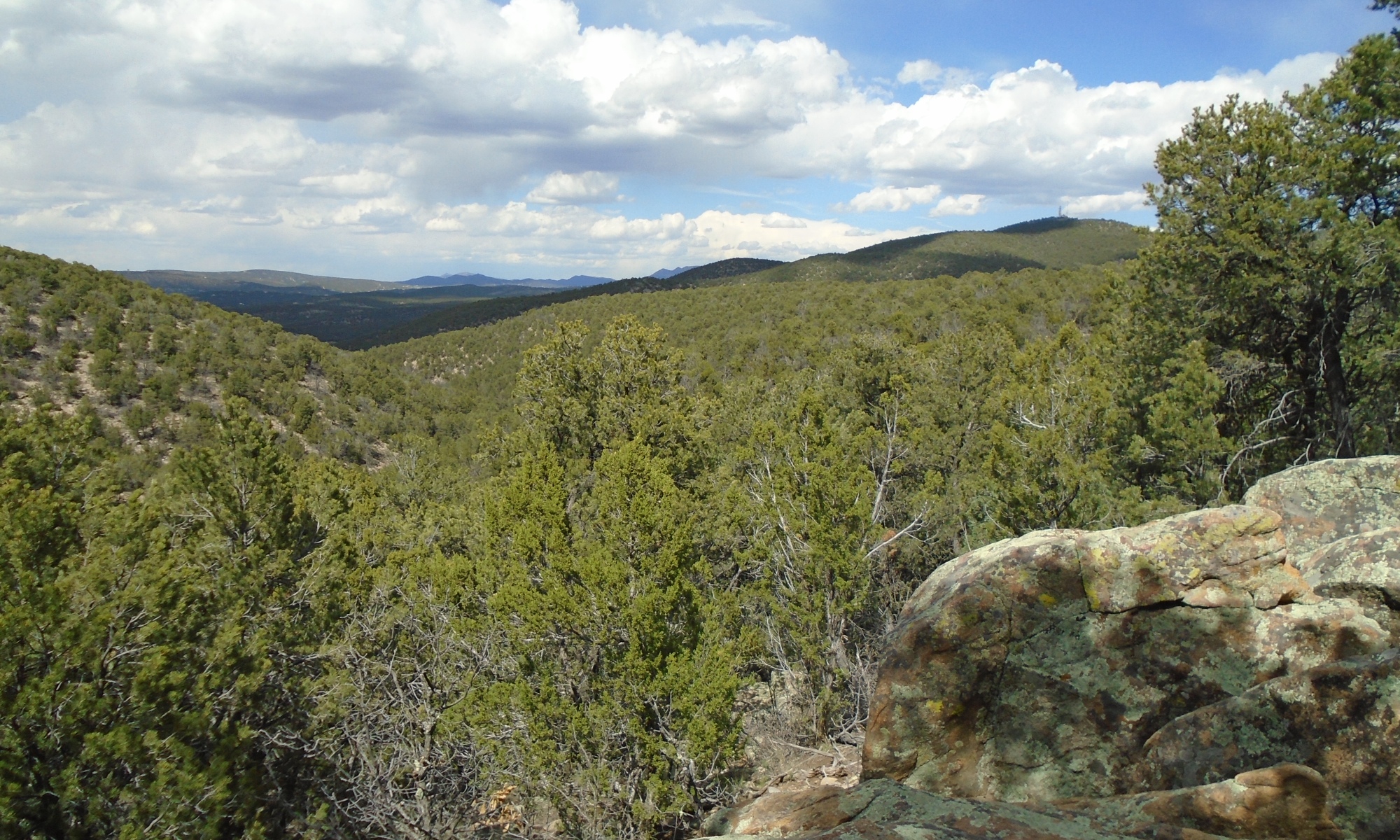
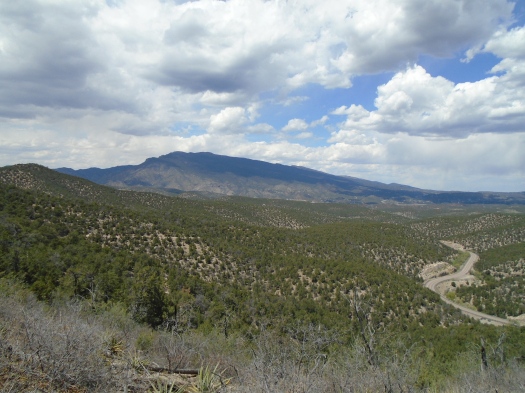
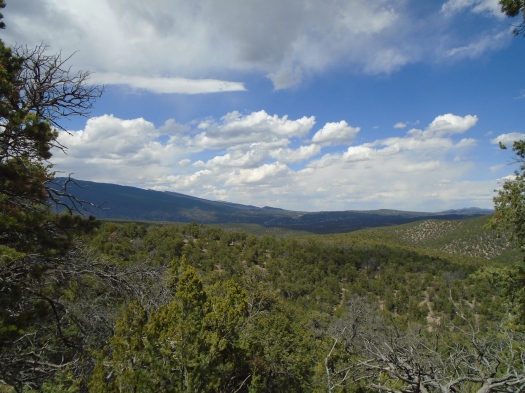
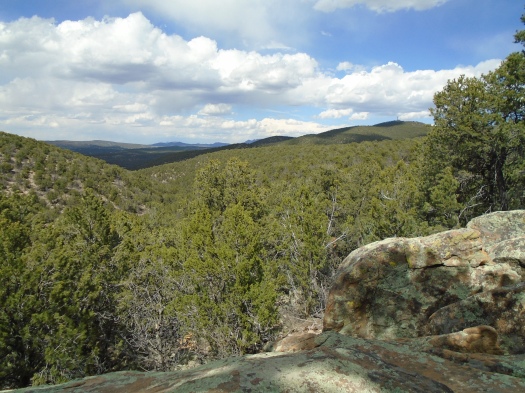
We left the heavy machinery behind as we climbed into the spruce-fir zone. We heard a couple of rumbles of thunder, but the sun stayed strong.
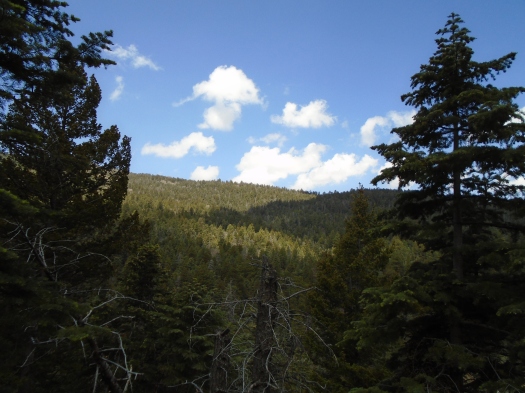
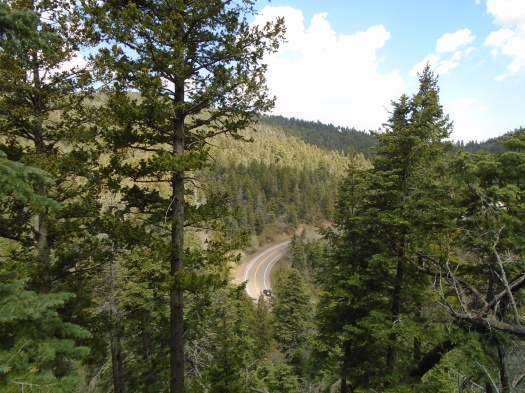
DSC01859

DSC01863

DSC01864

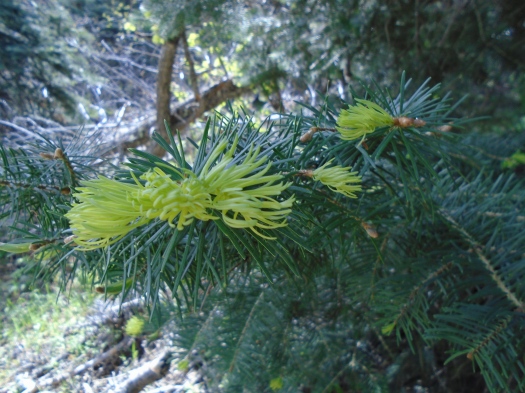
My husband lightly brushed the trunk of a spruce tree and sap shot onto his hand. The sap smelled exactly like tangerines and made us both crave an IPA.
DSC01857

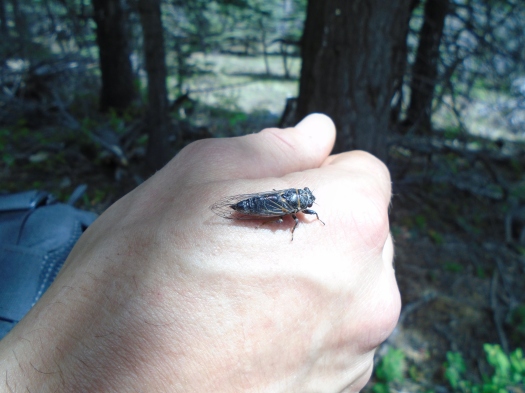
A cicada landed on his sappy hand and hitched a ride for almost the entire hike.

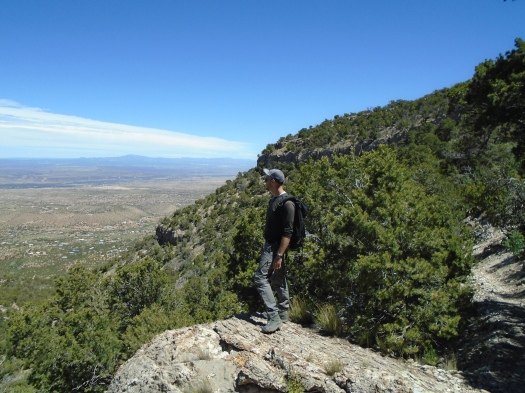
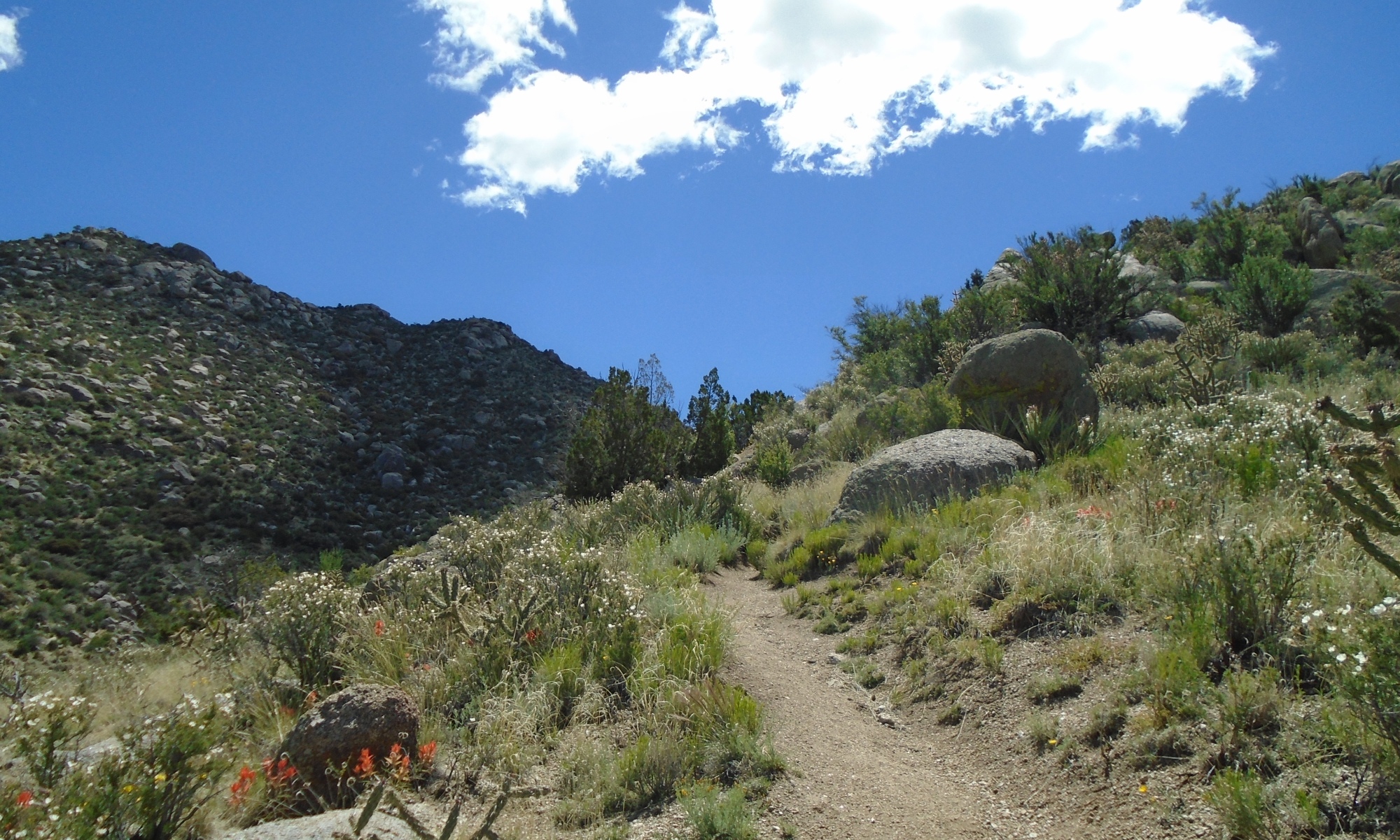
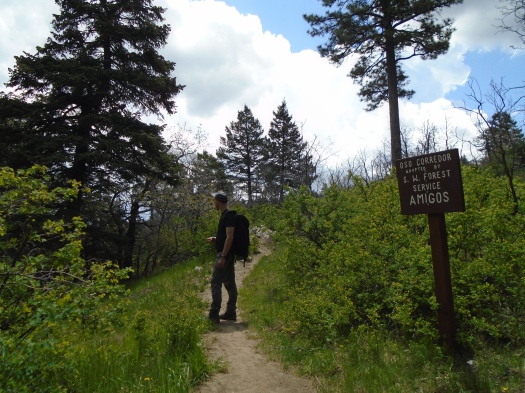
The climb up the trail from a popular picnic area had challenged me, but as the trail leveled out near the top, I started to feel like I could hike forever.

This is not a feeling I get often, and when we reached the junction with Tree Spring trail, I was tempted to keep going.
DSC01870

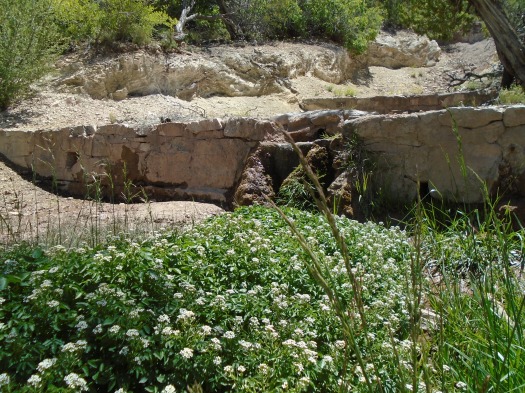
But we’d already hiked four miles with four to go back, and I wanted to explore an electric-green meadow we’d just passed. When we reached it, we found huge stands of wild rose. We’d seen wild rose in full bloom a week earlier on a trail at 1,500 feet lower elevation, but this had yet to bud.
DSC01879

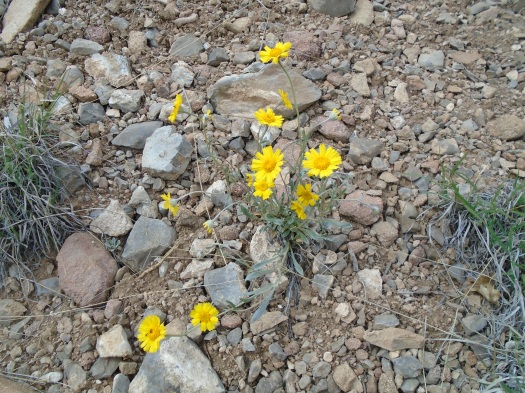
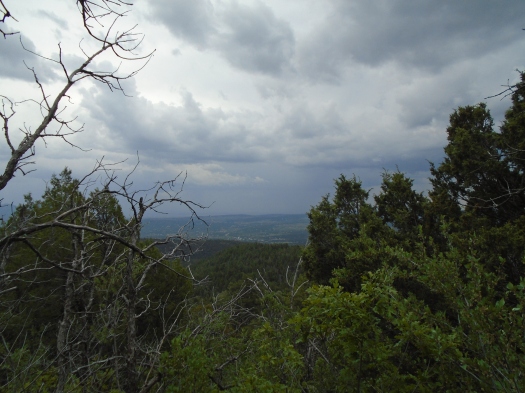
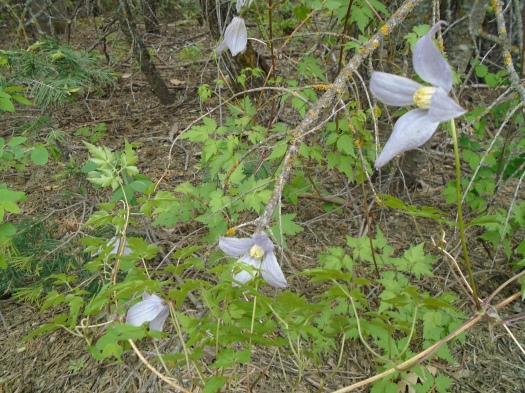
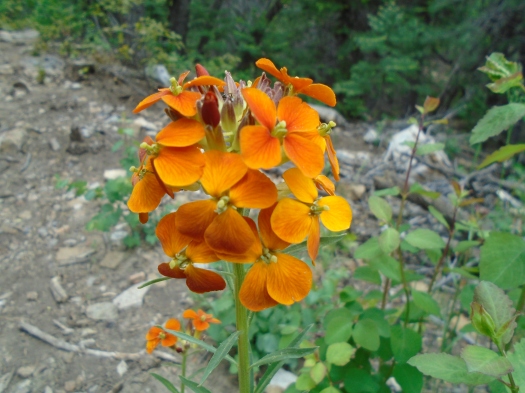
As we descended, clouds moved over, darkened, and thunder rumbled again. The grass looked even greener and the wildflowers pulsed brighter under the dark sky.
DSC01872

DSC01877

Raindrops polka-dotted the limestone under our feet. As they came faster, my husband offered me a poncho. I declined, thinking the tree cover would keep me mostly dry for the hike’s final mile and a half.

10 minutes later, we descended the side of a steep ridge in a dark, driving rain, ice-cold hail pellets pelting us. Thunder boomed, and a flash of lightning blinked nearby. I was soaked and cold, longing for the dry clothes in my pack. I decided I would put them on in the restroom at the trailhead.

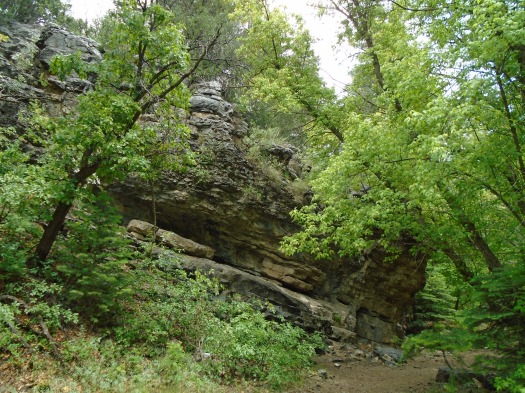
But the rain slowly lessened. By the time we reached Bill Spring Trail, an 0.75-mile path that would take us back to the parking lot, the sun returned to light a sparkling-wet canyon. My clothes were already mostly dry.
DSC01890

We passed a family who had heard the heavy machinery. My husband told them how we’d seen it rip cedars out of the ground. Their two little boys’ eyes lit up.

Both man and nature provide quite an experience on Oso Corredor Trail right now.
DSC01886

Hike length: 8+ miles

Difficulty: moderate

Trail traffic: moderate

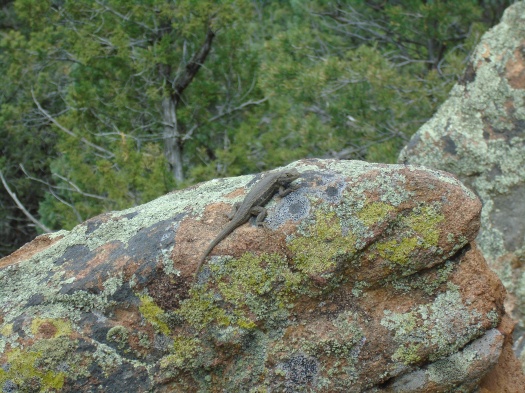
Wildlife spotted: crow, robins, lizard, butterflies galore, cicadas galore, Abert’s squirrel, hummingbird
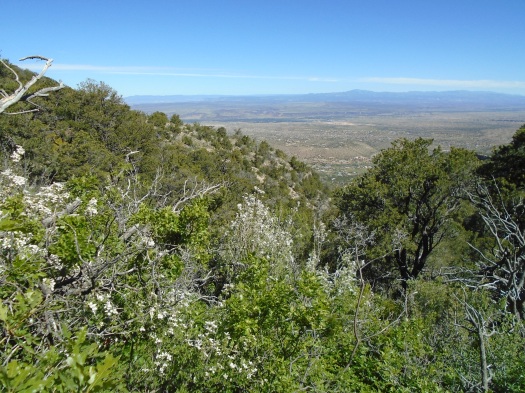
 

Tunnel Spring will show you some of the Sandias’ most beautiful terrain – if you can get there

What this route lacks: a place to step off the trail and cry.

A single flat boulder about three-quarters of the way up could serve that purpose. By then, you can practically see the top of the trail, though you might cry over how far away it still is.

We’re on the Ojo del Orno Route in Placitas. This shortcut accesses a gorgeous ridgeline by bypassing the first 2.6 miles of the Sandia Crest Trail’s northern section.

Remember, though, Mama told you: there are no shortcuts.

This trail maintains what feels like a 50-degree angle for its entire mile. It seems to switchback every few feet, instead of every few hundred feet. Its rocky surface means you often slip backward (ie down) when you brace to take the next giant step up. It’s hard to remove your eyes from your feet.

But when I managed to do so today, I saw shoulder-high wild rose. I saw deciduous trees glow in the sun. I saw enormous bulges of rock rise above us and, when I could look down, an amazing amount of canyon accumulate below us. Near the top of the arroyo, trees with sweet-smelling white blossoms lined the path.

DSC01827

At last the ridgeline. A little further, a rock wall that overlooks Santa Ana Pueblo’s green-topped mesas.

My husband stretched out on the rock wall in the sun. Twenty minutes later, he showed no signs of leaving.

I could barely see the jagged Ortiz Mountains through the trees on the other side of the trail, though, and I wanted more.

I headed just a little further, then a little more, then a little more. The Ortiz popped into view, then the Sangre de Cristos another 30 miles away, dusted with fresh snow on May 25.

DSC01835

DSC01830

DSC01831

DSC01833

I went so far my husband came looking for me, thinking I might somehow have gotten off trail.

We retraced our steps, bypassing the Ojo del Orno, since descending it was unthinkable. The Crest Trail squeezed against a cool rock wall that rose high into the sky.

DSC01841

DSC01836

Our guidebook says many people find the first three and a half miles of the Crest Trail boring.

“It’s boring,” said the fellow we met in the parking lot.

This is false. What is true: the first part of the Crest Trail is incredibly hot. The rock wall provided the day’s last real shade. The air temperature was only around 72, but the trail was still blazing.

We saw the rumpled hills of Placitas, and a mystery black-capped red ridge further beyond. We saw tiny purple flowers with yellow centers blaze from the earth, electric-yellow cactus.

I have no pictures of any of it. I was hustling, desperate to get out of the sun. I privately cursed every sun-loving family we had to stop and let pass us on their way up. I wanted only one thing, and it was back at the trailhead.

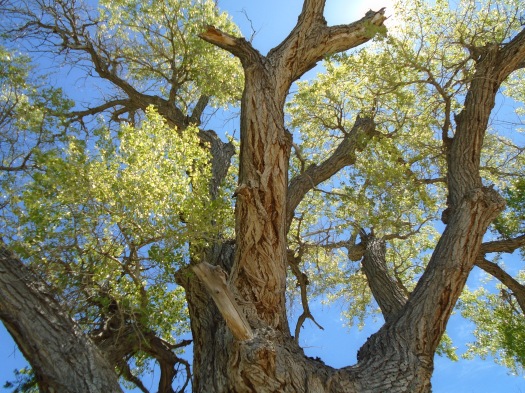
At last we reached it; a gargantuan cottonwood fed by Tunnel Spring. We crossed the road to put our sweaty hands into the cold water. The spring gurgled from a pipe that periodically croaked like a frog.

DSC01846
Tunnel Spring flows from a pipe in the rock.

DSC01845


I knew the canyon fed by this spring must be stunning right now. I’ve been there. Years ago, we went up Ojo del Orno, climbed another 1,500 feet to the top of the ridge, then came very slowly down through the outrageously steep, densely wooded Agua Sarca Canyon. I could barely use my legs for two days after that.

I’ll do it again.

When it’s 50 degrees.

Hike length: 6.5 miles

Difficulty: moderate

Trail traffic: moderate

Wildlife spotted/heard: hawk, lizards, pinyon jays, bluejays, butterflies, cicadas, doves

THINGS YOU SHOULD KNOW IF YOU DO THIS HIKE:

-The dirt road from Placitas Highway 165 to the trailhead is only 1.4 miles. How bad can it be? TERRIBLE. It was already bad, and this year’s rain and snow have carved enormous chunks out of it. We took my little car up there. BAD MOVE. Take a high-clearance vehicle.

-The co-author of the new edition of “60 Hikes Within 60 Miles of Albuquerque” told me at a Q&A that he took Tunnel Spring out of the book because the first few miles of the Crest Trail have some very narrow ledges that he was uncomfortable on with his dogs.

-Speaking of narrow ledges, I would not go anywhere near this road or this area’s steep terrain in wet or icy weather.

-All of that said, this area has some of the most beautiful terrain in the entire Sandias. If it sounds like fun to you, you should go soon. Local homeowners are raising heck with the Forest Service and Sandoval County about the condition of the road-rightfully so. When that happens, it sometimes leads to road access to a trailhead being closed. I have no hard evidence that this will happen at Tunnel Spring, but I fear it could.

Deer pee, beetle sex and Apache plume: It’s springtime on the Mano Route

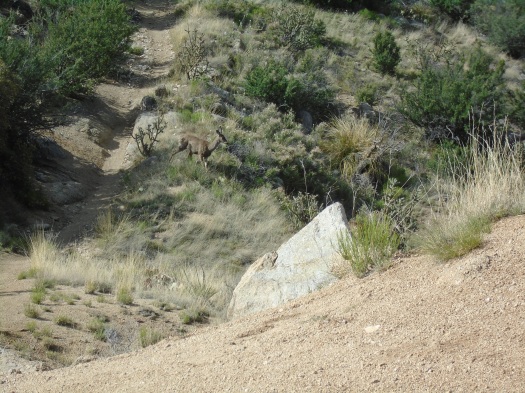
The deer paused on its way down the slope and looked around. It glanced at us; lifted a hind leg, still perfectly balanced; and – was it? Yes. Yes, it was peeing.

It’s springtime on the Mano Route.

The relieved-looking deer and its companion navigated a hillside, leapt a fence, glissaded another hillside and jumped an arroyo.

DSC01790

DSC01777

We did not have such grace as we clambered up the rough, rocky and steep trail – but then, the deer didn’t have to deal with backpacks.

The Mano Route’s northern half sprouts boulders and rock gardens, which truly were gardens today. Apache plume tossed in the wind. Asters danced. Orange, yellow and white butterflies flirted with flowers. Giant black beetles reproduced. (We saw not one but two pairs of these beetles getting it on today.)

DSC01766

DSC01797

DSC01809

DSC01818

DSC01807

I would not normally recommend the Mano Route in late spring. There’s no shade. But while this time a year ago it was 100 degrees, last night’s canyon winds blew in a cooler day. It was about 65 in these rocky hills at noon.

With such inviting conditions, when we reached the meadow at the top of our climb, we kept exploring. Then we clattered down the southern half of the Mano Route. It’s even steeper and rockier than the northern section, and slow going, but it overlooks Echo Canyon, El Cerro de Los Lunas and the Sierra Ladrones.

DSC01818

DSC01820

Though this trail runs at times just steps from busy streets and residential neighborhoods, it’s rugged, secluded and, this year, a wildflower wonderland.

As we made our way back to the car, my husband and I disagreed on which of many paths would get us there quicker. We were both wrong. A flock of violet-green swallows darted overhead as we consulted the map yet again.

Something moved on the hillside ahead.

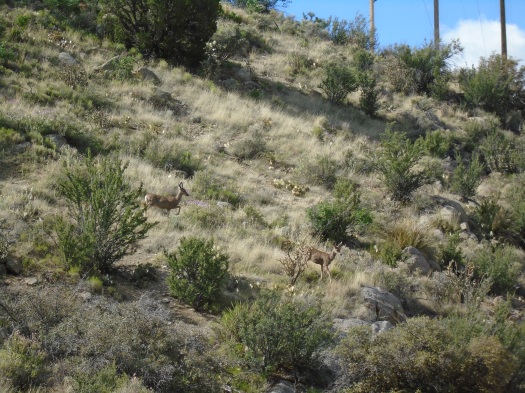
A deer. Then two. The same two we’d seen earlier.

The sight reminded me: I needed to pee.

Hike length: 6.2 miles

Difficulty: moderate, with some strenuous climbs and descents

Trail traffic: none on the Mano Route

Wildlife spotted/heard: deer, butterflies, beetles, grasshoppers, mockingbird, hummingbird, crow, violet-green swallows

Golden Open Space, shapeshifter edition

One moment, sun and blue sky so intense the land’s vibrant colors must compete hard to be seen.

DSC01686

DSC01689

DSC01724

DSC01728

DSC01733

Clouds move over. The canyon’s deeper hues emerge, red and gold, pink and tan.

DSC01709

DSC01715

The Sandia Mountains loom beyond the canyon’s end, blurred by precipitation.

The flint-smell of rain. The first drops hit the red and blue rocks. Then fatter drops.

The curtain falls, and Golden Open Space transforms.

The place we knew before this is rocky juniper rim and wizened red canyons and sun, so much sun.

The steady rain and gray sky wash everything to rust and green. The forested hills all around the open space, usually unnoticed in the sun, emerge. Tiny clusters of wildflowers pulse yellow. Shrubs we’ve never seen in leaf here glow green.

DSC01743

DSC01744

Now it’s more than rain: tiny hail pellets, maybe, or graupel. It pings cool off my arms.

I’m both focused in the scene around me and in my head. Worried the mountain bike trail we’re walking on will turn to muck. Worried I’ll get too chilled with the temperature drop, which hit just after I ditched my hoodie for a light cotton T-shirt and copiously applied sunscreen.

But I see sun and some blue sky over the rim. The tiny hail abates. The rain slows to a light mist, droplets catching the light.

On the rim, bruise-gray clouds enter a dramatic duel with late-afternoon rays.

DSC01745

We scramble up a knoll to see the light and shadow on the mountains and plains. All three of us aim our cameras at once, even my husband, now wielding a smartphone after a lifetime of flip phone ownership.

DSC01748

DSC01750

DSC01755

DSC01759

We spot wildflowers as we walk back through the juniper hills: Indian paintbrush, Apache plume. Yellow and purple, red and white. We’re sure we hear thunder in the canyon behind us.

As the rain transformed the land, it transformed me. I’d clenched my teeth so much this week that my face throbbed. That pain began to abate, replaced by a throbbing in my feet that would remind me for hours to come: I’d had an experience.

Hike length: 7 miles

Difficulty: moderate

Trail traffic: none

Wildlife spotted: butterflies, crows, vulture, deer crossing the road as we drove away

DSC01700

This blessed year turned crispy David Canyon green

The meadow appears as we descend the steep trail. Grass dances in the breeze.

It’s green.

DSC01666

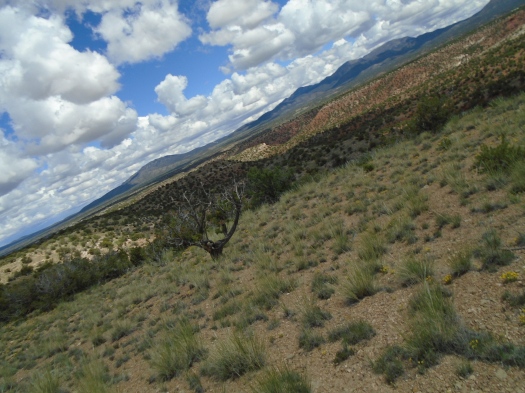
When we visited David Canyon one year ago, after the winter of no precipitation, we found a hotshot firefighter crew in the parking lot, babysitting the tinderbox. The meadow had parched to a washed-out beige.

But the wind never stopped sighing in the trees, and the canyon’s incredible bird lineup never stopped singing. Now, months of snow, more snow, rain and more rain have set the meadow’s colors free again.
DSC01670

IMG_0447
The same spot one year ago.

We hike up the other side of the canyon, traveling through a burn zone where embers still smoldered last year. The hillside remains naked in spots, but grass and little clusters of yellow wildflowers sprout along the path.

DSC01672

DSC01674
Alligator juniper

DSC01675

We reach the forest road that runs along the canyon’s rim. It’s still green up here, but more rocky than the meadow. From up here, the opposite wall of the canyon still looks dry and brown, fire-stripped trees visible in spots.

DSC01660
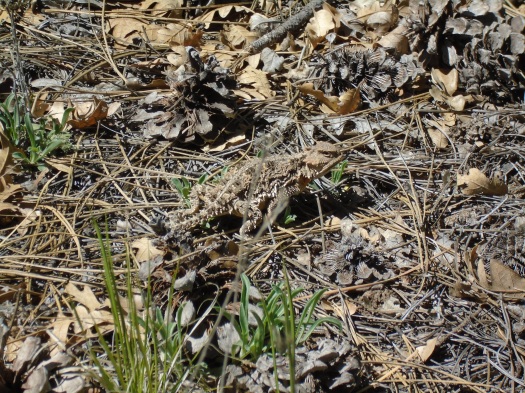
Can you see the horny toad? Every time I zoomed in I lost sight of him, he was so well camouflaged.
DSC01662
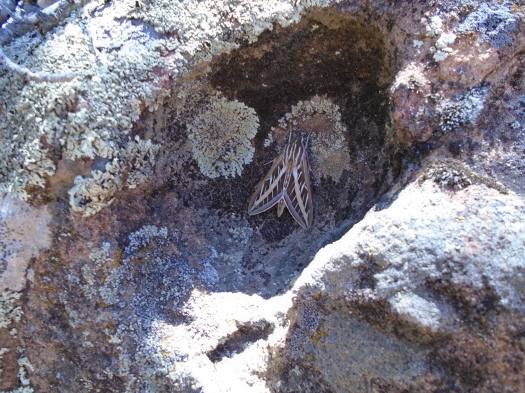
Arrowhead moth on a rock

Another steep forest road leads to the highest point of the hike. The ponderosa pines and grass yield to twisty junipers, yucca and rock, baking in the sun. It’s the point in the hike where the landscape makes me wonder, “Am I in Egypt?” We’ve already hiked close to five miles, and my feet protest.

But I know what’s coming next, and I know how close we are. I resist the temptation to look behind me until we reach a rocky landing. I turn for the full effect of what the climb gained us: a stunning view of the Manzanos’ Guadalupe and Mosca peaks above forested ridges.

DSC01677

DSC01678

A little more climbing and a steep descent over red and orange rock lead to the narrow, shady trail that will take us back. We pause to watch a group of seven or eight Abert’s squirrels scamper up trees and over hills. Two skirmish in a tree scramble, and squawking ensues. I try to get a picture, but they’re so fast. I zoom in on one only to watch it take a flying leap out of the camera’s field.

I relish that pause, because we’ve now hiked more than six miles and have two more to go. As we close back in on the trailhead, we get one last glimpse of the Manzano ridgeline, shaped from here like a pizza cutter.

DSC01656

We saw so much today, and a whole lot of it was green.

Hike length: 8.2 miles

Difficulty: moderate

Trail traffic: very light

Wildlife spotted: horny toad, lizards, nuthatches, grasshoppers, ravens, crows, Abert’s squirrels, brown creepers, bluejays, black-capped chickadee, sparrows, swallows

The Manzanitas’ collected works

Things that might happen to you in the Manzanita Mountains:

In the 2:30 p.m. heat of the trail, you turn and see 8 p.m. on the ridge you just descended. Rain or shine, blankets of cloud spread over the Manzanitas, striping the ridges with shadow.

DSC01617

You hear an exultant whoop and hop off the trail to your right, expecting a mountain bike to bear down on you. The Manzanitas’ dozens of trails cater to mountain bikers and that’s mainly what they attract. You look everywhere, but you never see the exuberant biker, although you continue to hear him holler.

You choose to ascend one of the steep, rocky trails with little shade – say, Birdhouse Ridge – on any sunny day when the temperature’s above 65. Your I-can’t-wait-for-this-hike-to-end monologue unspools in your head as Tunnel Canyon and Highway 337 unspool below you.

DSC01602

Why did I do this today? My legs hurt and I’m tired from staying out late dancing last night. My knee hurts. I’m going to blow out my knee. I’m too old to do all the things I want to. I’ve waited for this hike all week and now I’m a mess. I’m sad.

You finally gain the ridge, the wind blows, the land levels out and the monologue stills.

DSC01581

DSC01588

DSC01592

DSC01604

DSC01613

DSC01614

DSC01626

You hike down to the overlook about a mile from the Tunnel Canyon trailhead. Most mountain bikers roll right past it. You have to travel at two miles an hour to spot it. It’s just off the trail, a landing of huge lichen-colored rocks, perfect for snacking and watching the shadow show. Nobody’s ever there.

DSC01630

DSC01645

Your husband takes off his shoes and socks. You think about how good it would feel to do the same. You never take your shoes and socks off during a hike, unless you’re fording a body of water, because you’ll just have to put them on again.

Screw it. The rock’s cool and your feet are hot.

You set them free.

DSC01654

Hike length: 5.8 miles

Difficulty: moderate

Wildlife spotted: butterflies, mountain chickadees, sparrows, kingbird, vultures, lizard, grasshoppers, canyon towhee

Trail traffic: moderate


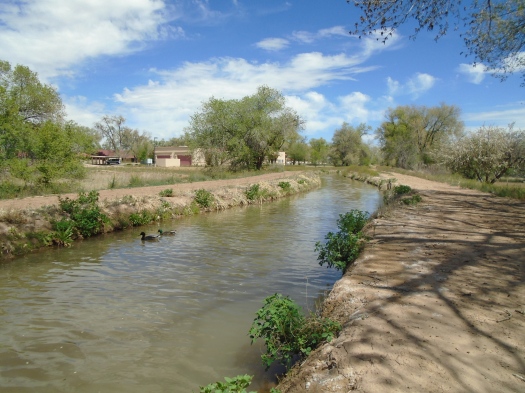
All creatures go with the (prolific) flow on Corrales’ acequias

DSC01558

Have you ever seen a Gambel’s quail run? They really haul ass.

We watched two dart, synchronized, across a dirt road off an acequia in Corrales. They looked like smaller, less gangly roadrunners. With headwear.

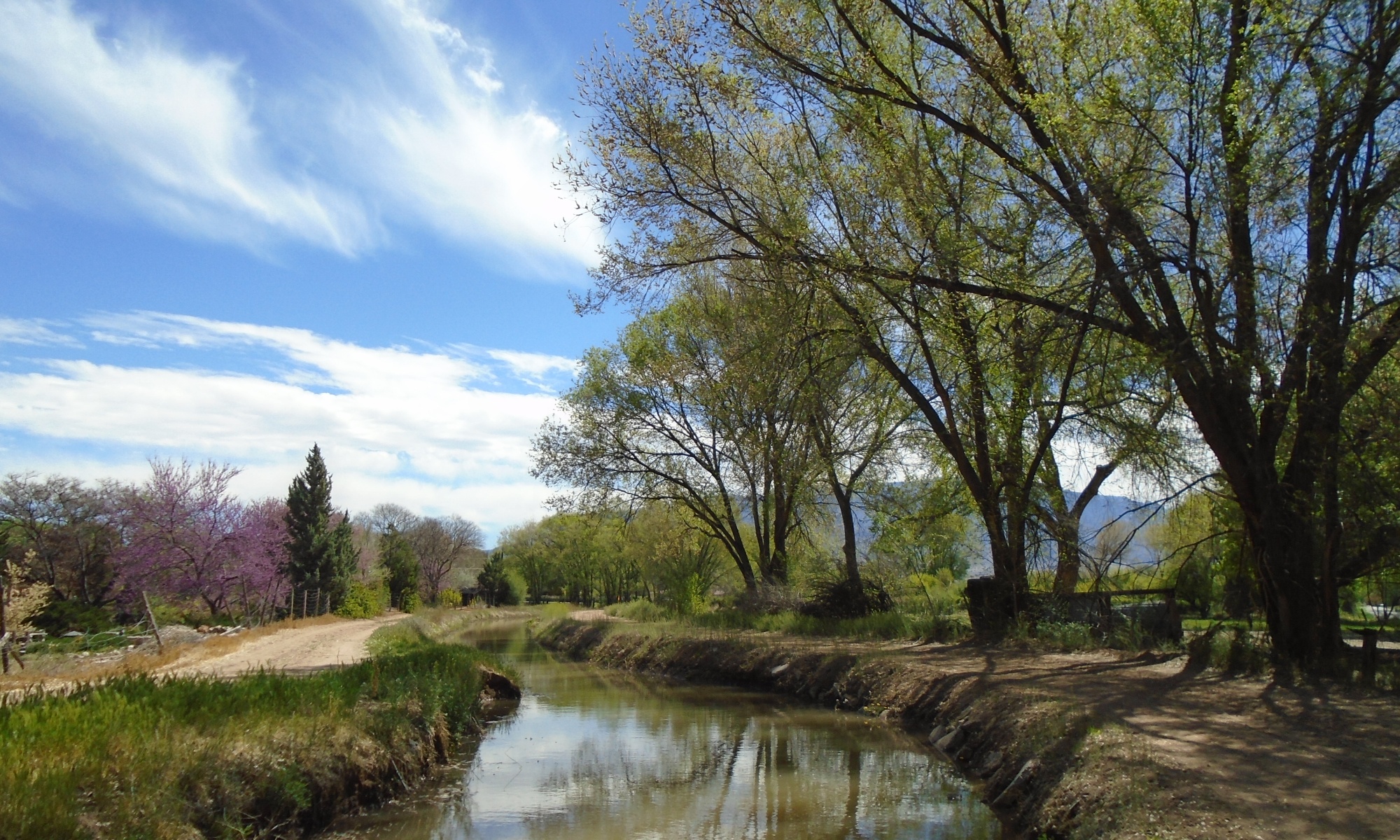
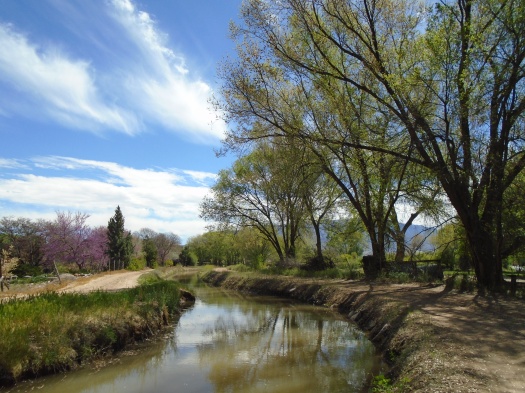
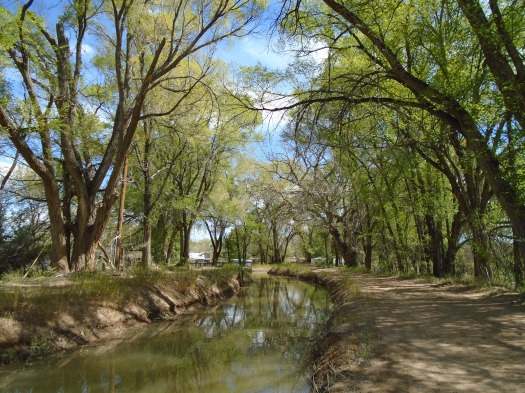
We knew with the week’s latest round of prolific rain, the acequias would be flowing. And they were – at times the water rose nearly to the top of the ditches.

We saw a wilderness’ worth of wildlife, though we were frequently within sight of at least one of the village’s main roads.

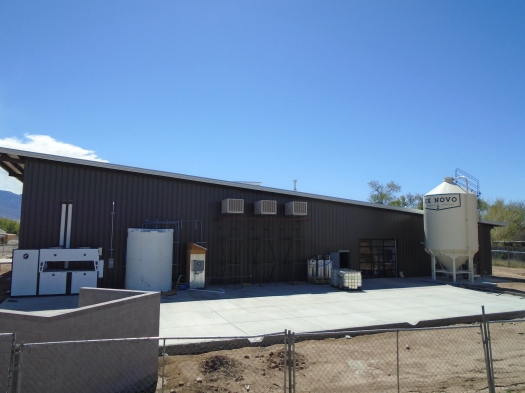
We picked up the acequia behind the village recreation center, soon passing a Portland brewery’s New Mexico outpost, under construction.

DSC01562

Butterflies appeared as soon as the shouts of children at the skate park began to fade. Small white butterflies danced along the ditches, and an occasional yellow or black one fluttered by.

DSC01557

A Cooper’s hawk swooped to the water’s edge. It sat still and quiet, taking sips and sniffing the air for several minutes, then launching itself up to a green branch.

DSC01566

Quail called to each other and flew between fenceposts before taking off at a run. All About Birds describes their flight accurately as “explosive, powerful and short.”

DSC01579
Quail readies for launch.

More hawks. Ducks coasting in the high water.

DSC01570

Adobe bed-and-breakfasts cohabitated with simple homes stacked with wood and old machinery.

DSC01560

DSC01554

As we walked north, we came to a deep green apple orchard on the east of the ditch, a sunbleached field of cacti and yucca on the west.

DSC01576

Goats and horses peered from barns and yards at us.

We pulled into Corrales Bistro Brewery for a bite after the hike. The only spot left in the parking lot was next to two horses. As we left the brewery, we saw the horses transporting their owners south on another acequia. Equine designated drivers.

Folks in Corrales know how to live, and the village has life in abundance this spring.

Hike length: 4.4 miles

Difficulty: easiest

Wildlife spotted: Gambel’s quail, Cooper’s hawks, unidentified hawk, sparrows, swallows, butterflies, grasshoppers, kingbirds

Trail traffic: moderate


April snowflakes and a herd of deer on the North Mano Trail

DSC01520

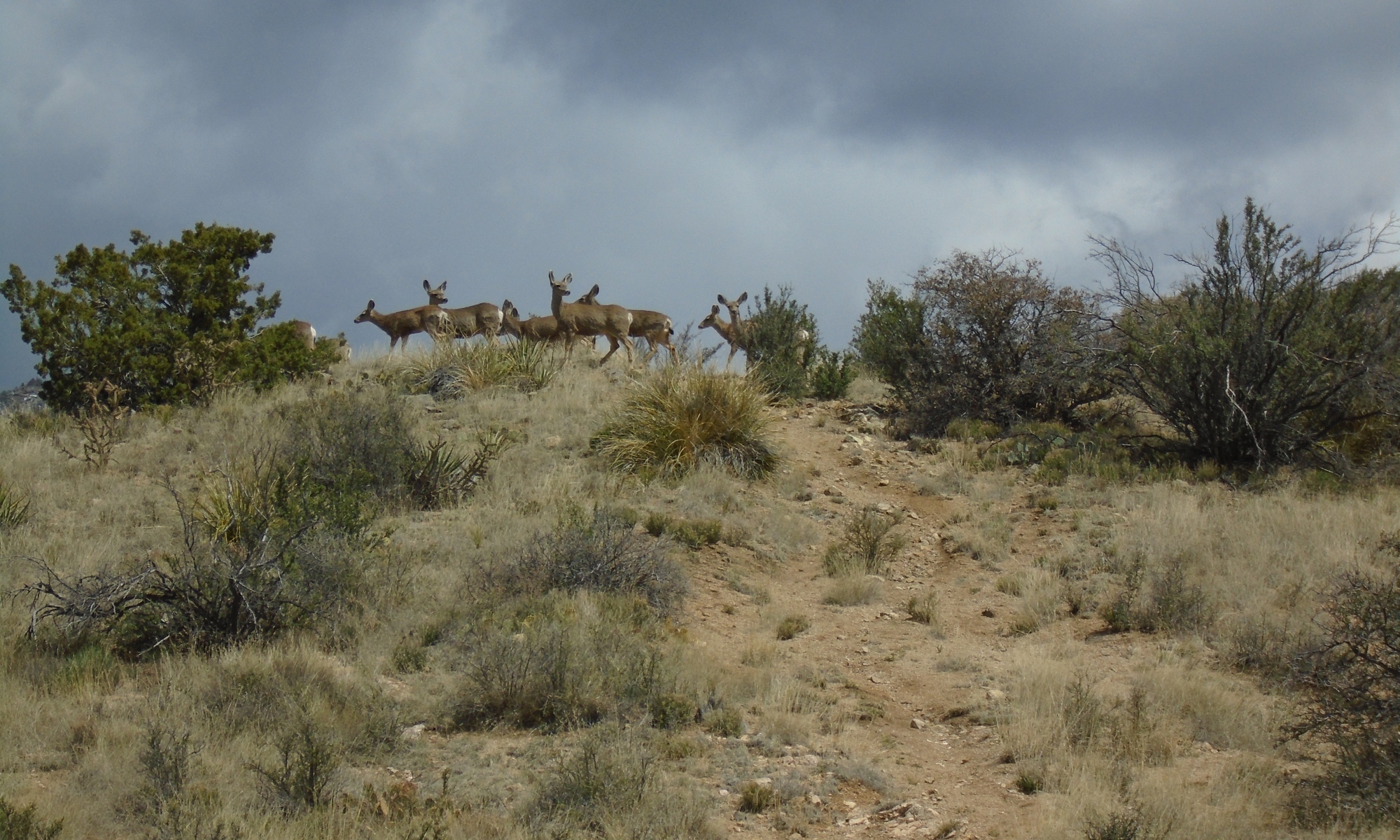
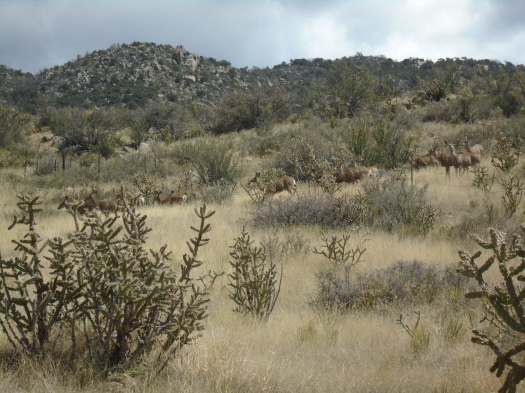
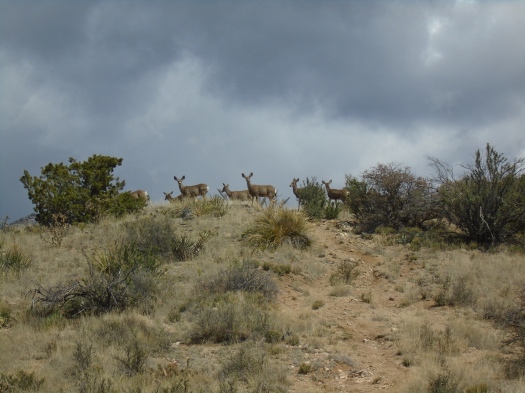
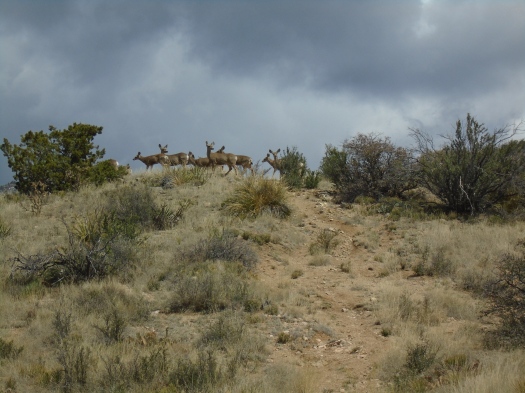
The mule deer glided along the steep hillside. She froze when she reached the dirt trail, as if someone had pressed pause. Then she stepped over the trail and kept trotting. At least 14 companions followed her.

I heard a noise and turned to see a trail runner and his dog. The runner couldn’t see over the ridge, but he’d figured out what was happening from our stillness. We invited him to pass us. He broke into a wide grin when he caught sight of the deer.

“Awesome!” he said as he ran up the hill.

We kept watching the deer as they leapt one by one over a fence, crested a ridge and stood looking at us before heading down the back side.

DSC01522

DSC01533

DSC01535

We were on the North Mano Trail, less than a mile from the Embudo Trailhead parking lot. Butterflies darted along the trail, and the sun beat down intensely on the lower slopes. But as the trail twisted through a steep landscape of boulders and cacti, the wind picked up and clouds left from an overnight rain began to coalesce.

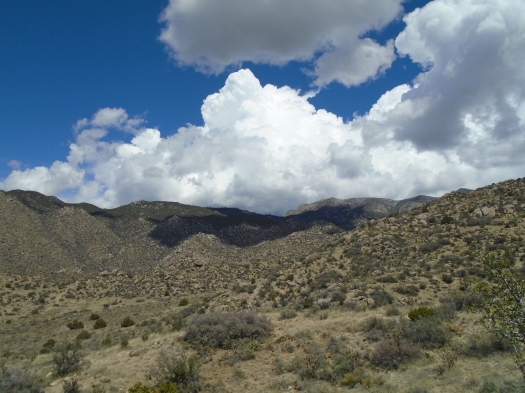
Shadow played on the walls of Embudo Canyon. Watercolor curtains of rain hovered between us and the Sierra Ladrones to the south, Cabezon Peak to the northeast.

DSC01542

DSC01543

After an intense ankle workout, the trail leveled off and curved around a ridge to offer a peek at the airport and El Cerro de Los Lunas to the south.

DSC01548

There were multiple paths back there and it was so tempting to keep exploring. But I’d forgotten my Sandias topographical map, the clouds were threatening and that steep granite would not be fun to navigate when wet.

I’d been nervous about descending that steep trail, but I stayed upright by moving slowly, using my hiking poles and being deliberate about where I placed my center of gravity.

As we rounded a huge boulder stack, snow flurries began to fall and thunder rumbled. But the cool, wet flakes lasted only a moment.

We reached the bottom of the steep climb just as a man and his corgi Pretzel began to tackle it. Pretzel’s tiny legs scrambled mightily on the 45-degree slope, but he looked like he’d found heaven.

The trail widened, the sun found us again, and I began to sweat in my hoodie once more.

April in Albuquerque has plenty of surprises this year.

Hike length: 4.3 miles

Difficulty: on the high side of moderate

Trail traffic: low

Wildlife spotted: mule deer, butterflies, caterpillar, lizards, turkey vultures, bluejay, junco, sparrows

Ocean Beach and Lands’ End: Where San Francisco meets the ocean


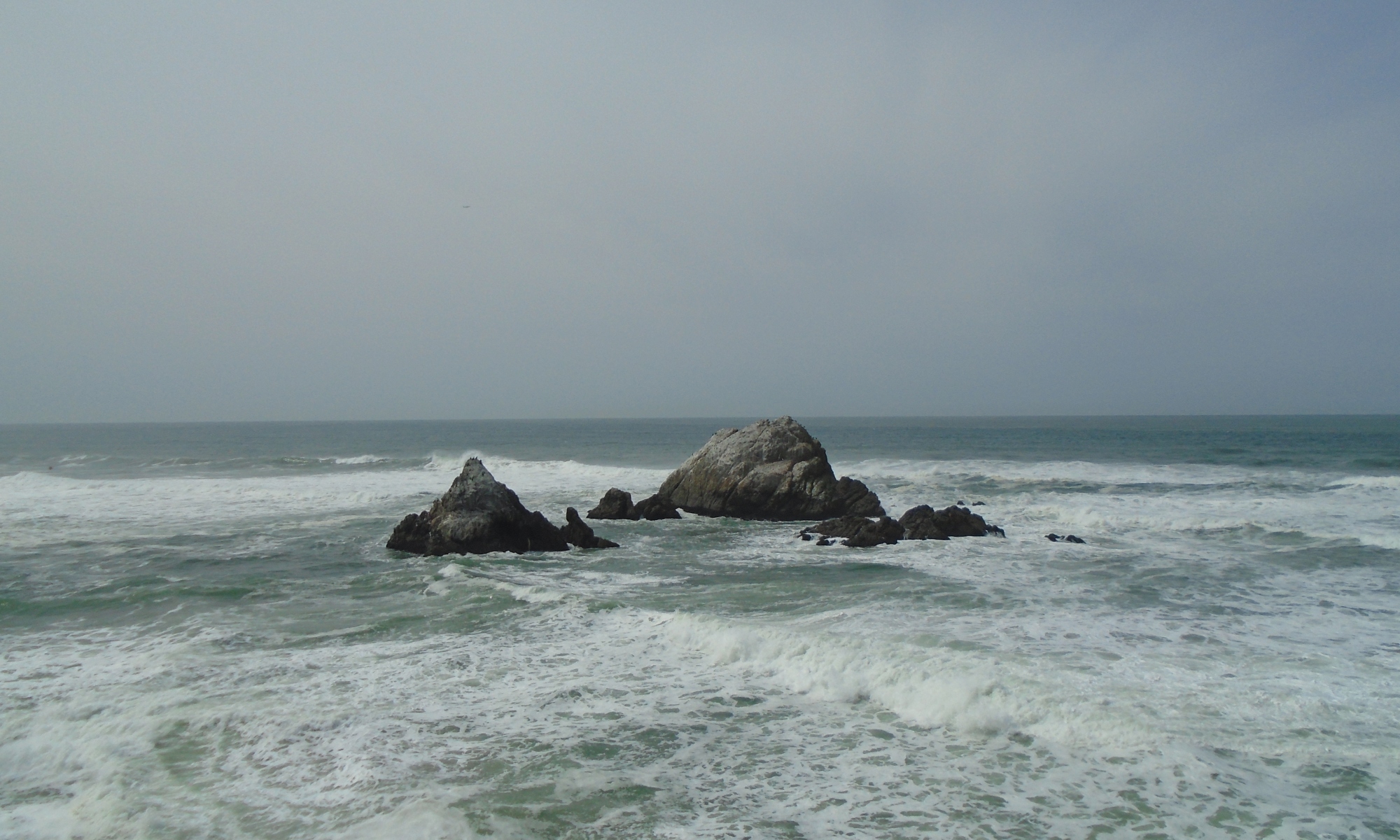
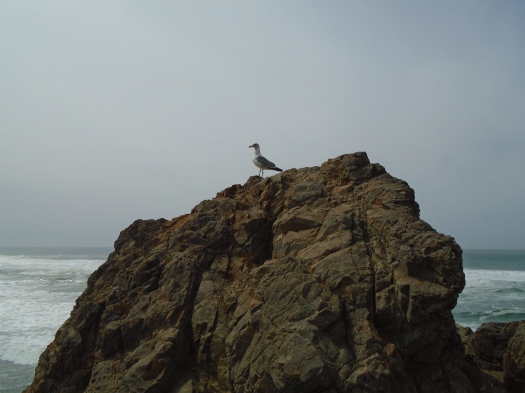
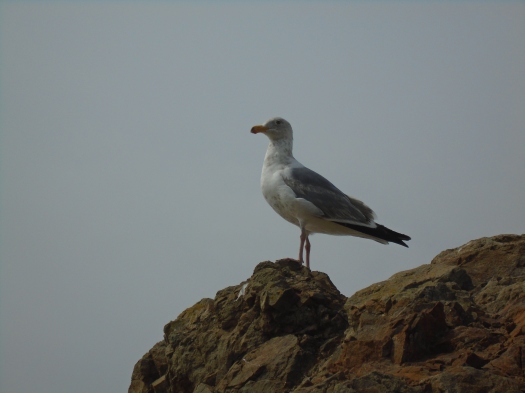
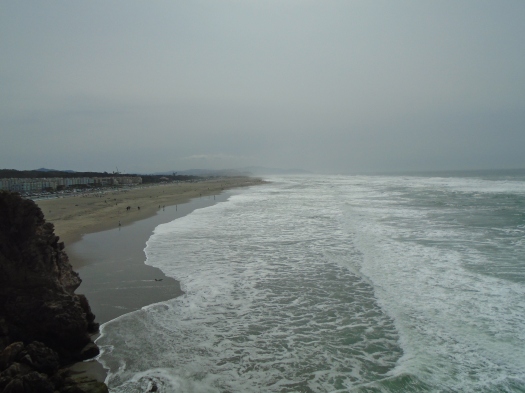
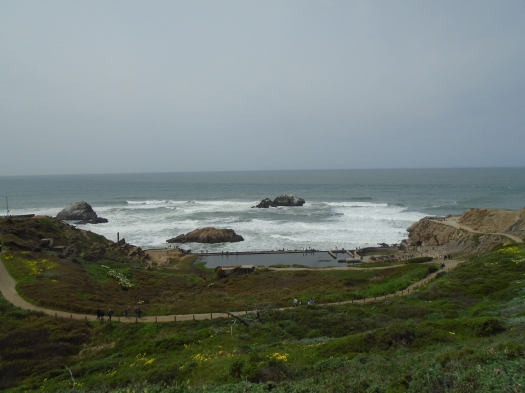
Waves crash over jagged cliffs. A gull perches on a rock, unfazed at my approach.

DSC01448

DSC01454

DSC01443

DSC01455

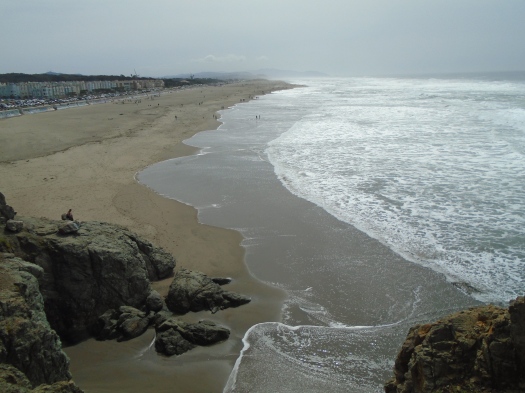
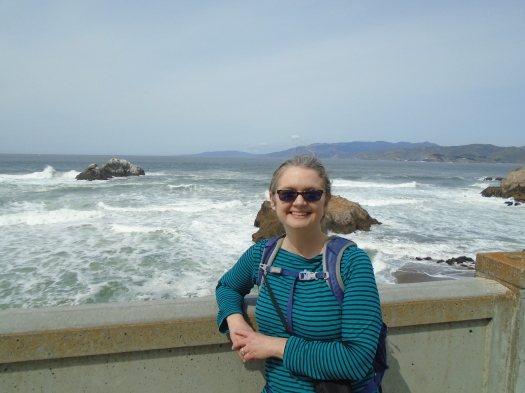
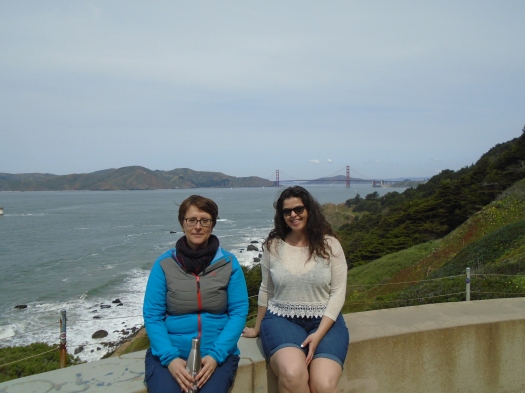
I’m at San Francisco’s Ocean Beach with two friends. Yesterday we spent 11 hours in a board meeting. We came together needing to put one foot in front of the other and repeat.

DSC01434

DSC01439

DSC01444

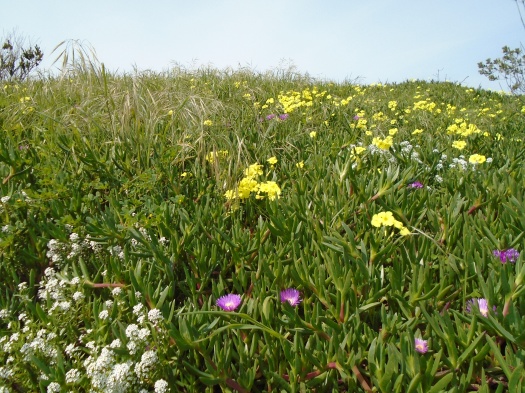
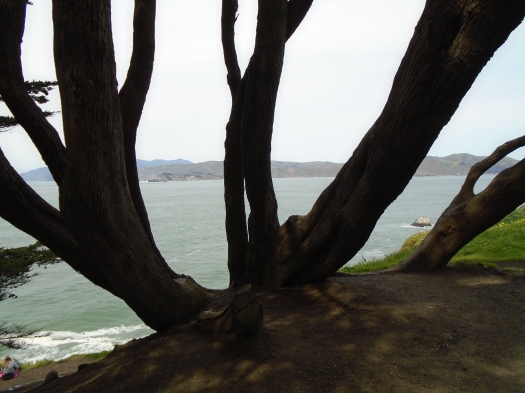
We leave the jagged shore at the Cliff House for the Lands’ End Coastal Trail. We enter green, gnarled cypress above, succulents and wildflowers sprouting from everything that isn’t rock. The sweet scent of abundant yellow sand verbena cuts the salt air’s bite.

DSC01430

DSC01460

DSC01461

This is part of Golden Gate National Recreation Area, and the trail’s busy. Each dog charms us more than the last: dachshunds, corgis, poodles, all wildly wiggly.

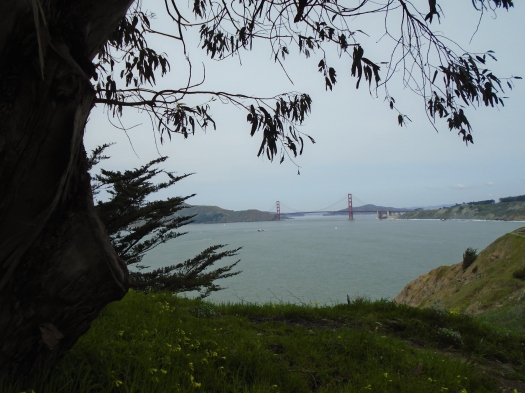
The bay peeks through the trees, then the mountains, then the Golden Gate Bridge.

DSC01466

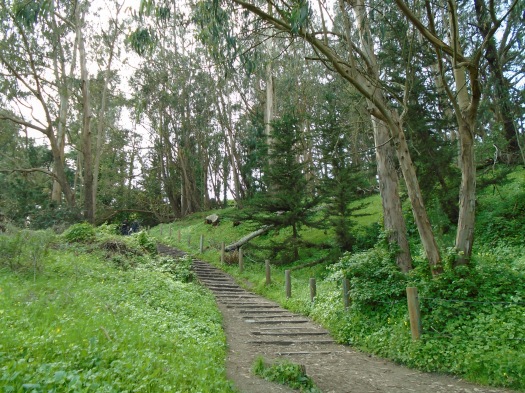
A long slope of wooden stairs burns hamstrings, thighs. We enter a eucalyptus grove, yellow and blue light filtering through the long leaves, and inhale deeply.

DSC01468

DSC01471

In front of us, a couple pulls their baby up the steps backwards in his stroller. He’s also wildly wiggly, his smile widening every time the stroller bounces.

The Coastal Trail ends, depositing us in a neighborhood of Mediterranean-style homes. They’re all lushly landscaped, but the ultimate landscaping comes from the surf pulsing against the cliffs that form their backyards.

DSC01508

We pass the rickety lookout stands of China Beach. It’s a shabby shoreline, old firewood and detritus everywhere.

The dark sand turns nearly black where the tide washes it. Waves break tall and powerful off the beach, rip current warning signs everywhere. I put my hand in the cold foam the water leaves behind.

DSC01480

DSC01500

Most of this hike took place in a national monument. Sweaty runners on their afternoon break mingled with tourists speaking many languages. We saw jeans and sneakers, stockings and boots, couples with angular hair.

One of the women I was hiking with used to live in the Bay Area. She trained for marathons by running for miles on these beaches, then plunging her aching muscles into the cold water.

As a desert dweller who frequently sees no one on a hike, it was both strange and inviting to imagine this water-shaped landscape was your routine, its smells and sounds your everyday.

Hike length: 5 miles

Difficulty: easy

Wildlife spotted: crows, several kinds of gulls

Trail traffic: heavy

Sandstone and snowmelt at San Ysidro Trials Area

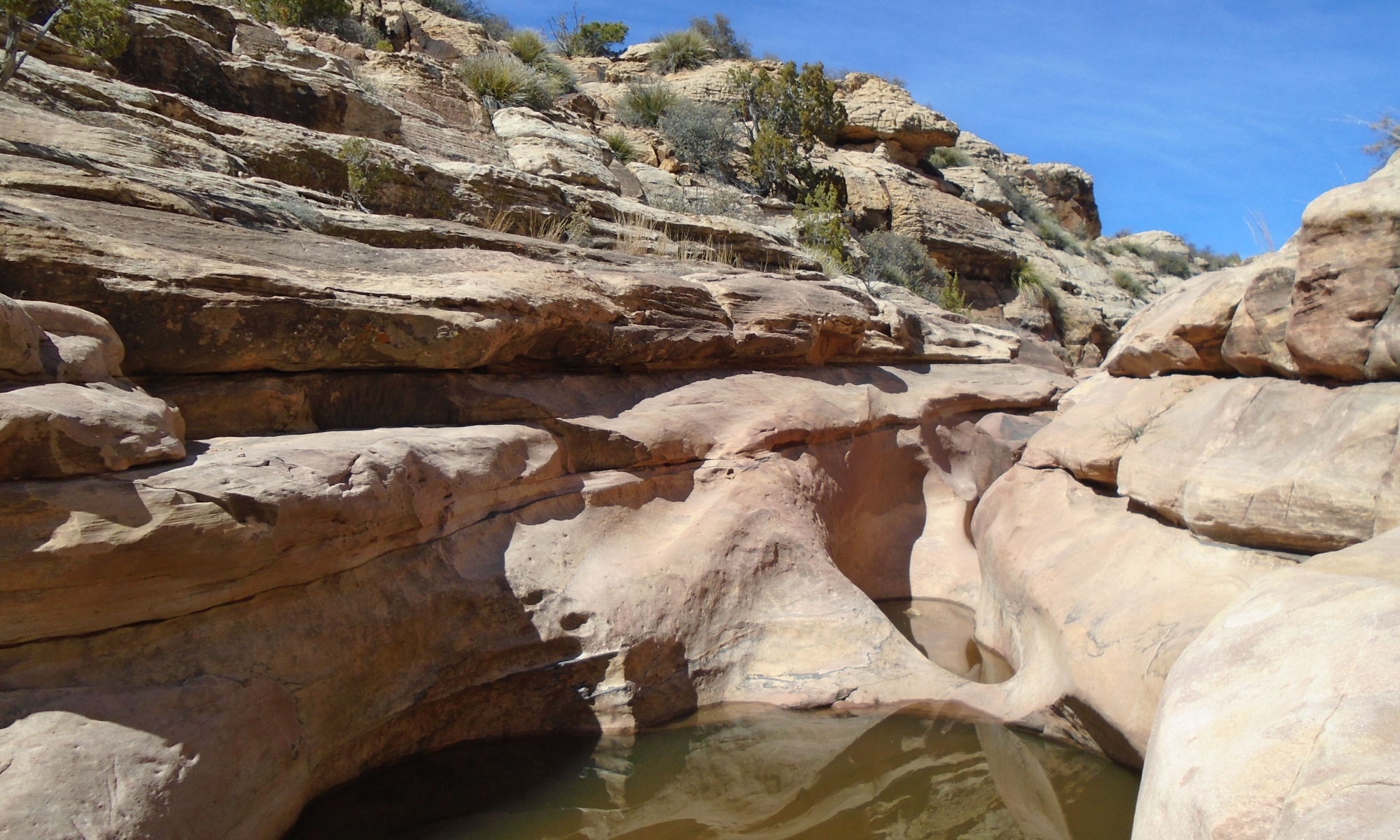
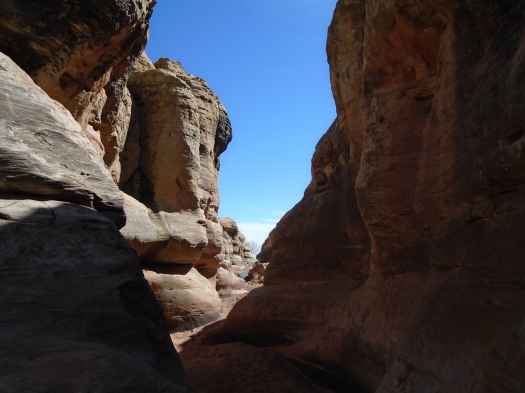
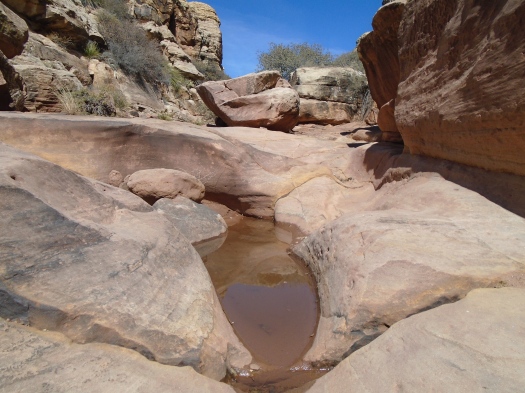
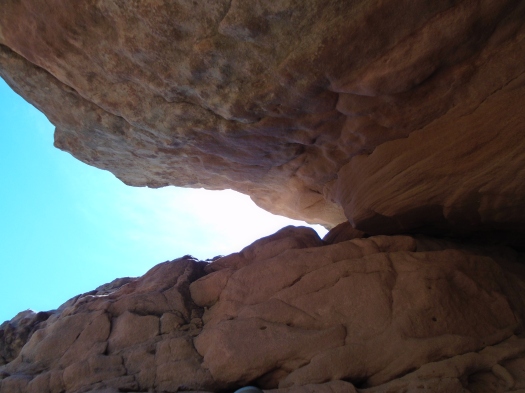
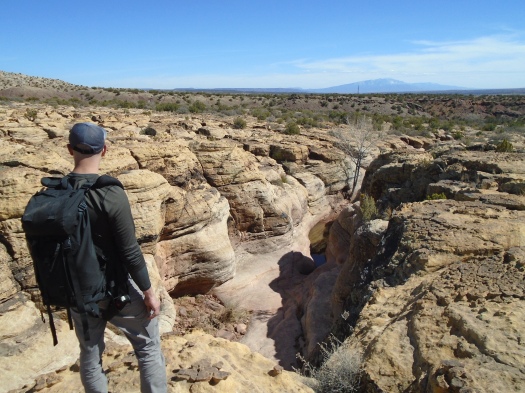
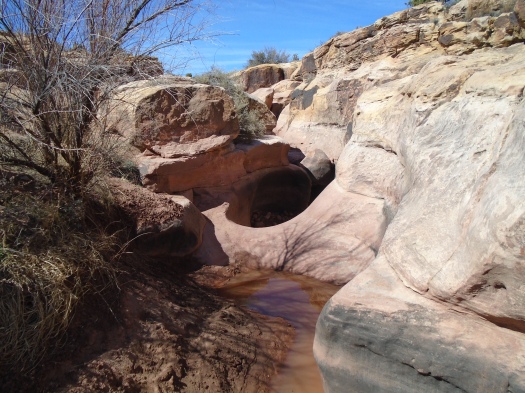
I place my feet carefully in the thin crescent of stone at the base of a narrow slot canyon.

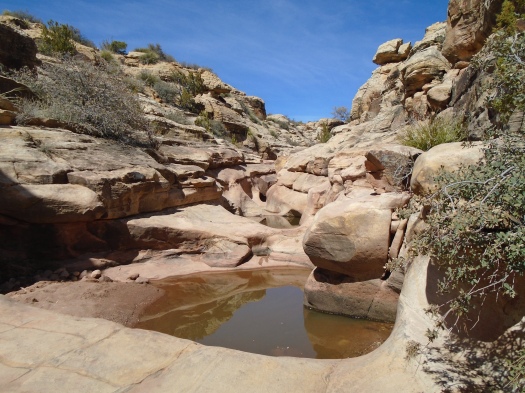
The rock slopes down, deposits me on a landing. Red sediment ripples over the sandstone, shows the path water took down this canyon days ago. Everything around us curves.

DSC01414

DSC01417

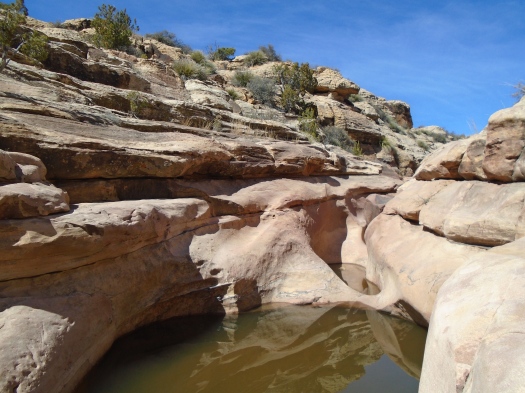
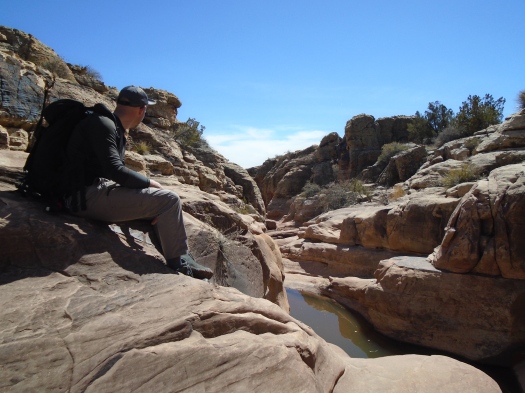
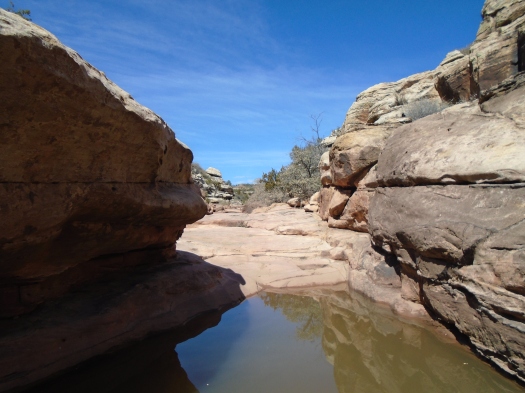
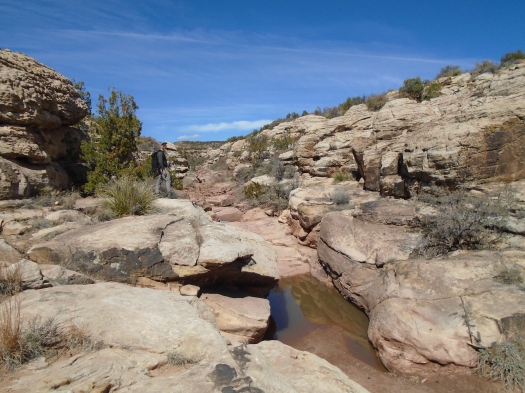
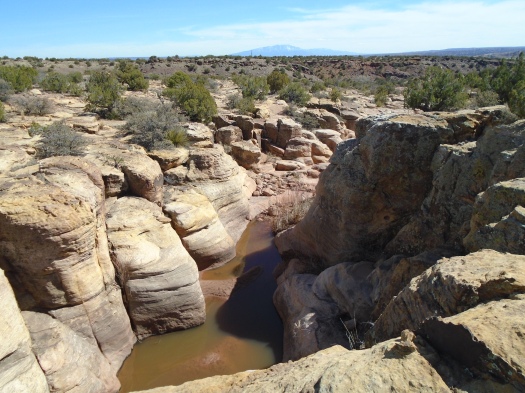
Water still rests in the stone. Some of the pools stretch several feet across. We skirt some, step through others on rocks.

DSC01409

DSC01405

After half a mile, we reach a pool too wide to safely cross. We backtrack, covering the same ground in minutes that had taken us a half hour as we explored every detail.

DSC01404

DSC01400

DSC01393

DSC01386

We climb out of the canyon where we climbed in, a series of rock ledges guiding our way up.

DSC01380

On the rim above, the land is corrugated, tan rock oxidized, rust and brown and black. It perfectly suits what this place, the San Ysidro Trials Area, is primarily used for – motorcycle trials, bikes ripping turns and tricks on the rock. Yet we’ve never seen a bike here, except in the parking lot, and hardly any other hikers.

We gaze into the canyon’s womb far below. We see more and bigger pools. The storm that grazed the Jemez and Sierra Nacimiento mountains with fresh snow this week left its mark here too.

DSC01421

DSC01422

The floor of the canyon begins to rise, the rim to descend.

DSC01424

Where the rock ends, we follow a motorcycle path across red and purple dirt, occasionally marked with white, like chalk.

The meadow leads us to another wide swath of wavy rock, a few small pools dotting the sandstone. We look behind us at the Sandia Mountains. In Albuquerque they appear monolithic. From this angle, craggy and snow-covered, they look more like pictures of the Alps.

We found this strange and incredible loop hike in Stephen Ausherman’s “60 Hikes Within 60 Miles of Albuquerque.” This was our third try at it.
The first time, we accidentally did the whole thing backward and missed the slot canyon entirely, though we didn’t realize it. The wide swath of wavy rock itself is pretty rad, and we thought its little pools were the ones described in the book.
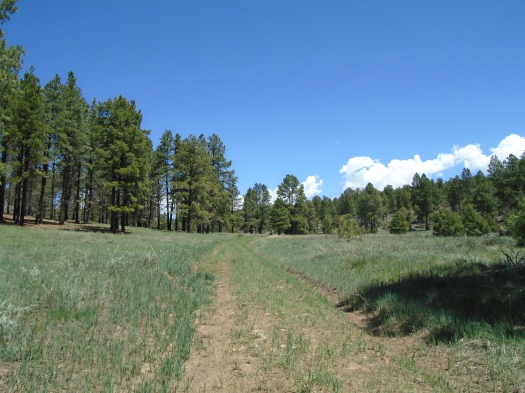
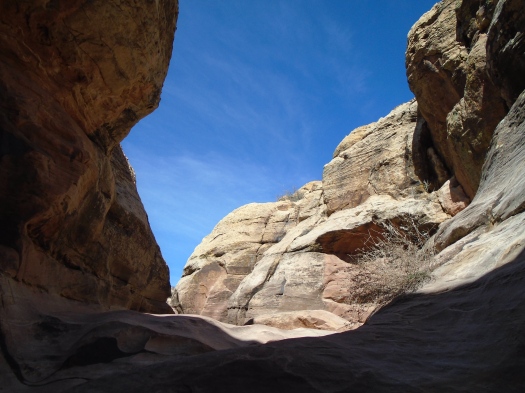
The second time, we went down the wrong wash entirely.

Today, we managed to find what we didn’t even know we’d been missing.

Hike length: 6.6 miles

Difficulty: moderate

Trail traffic: none

Wildlife spotted: lizards, blue and black moth