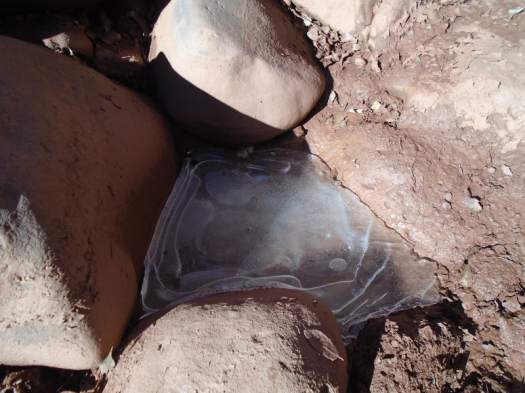
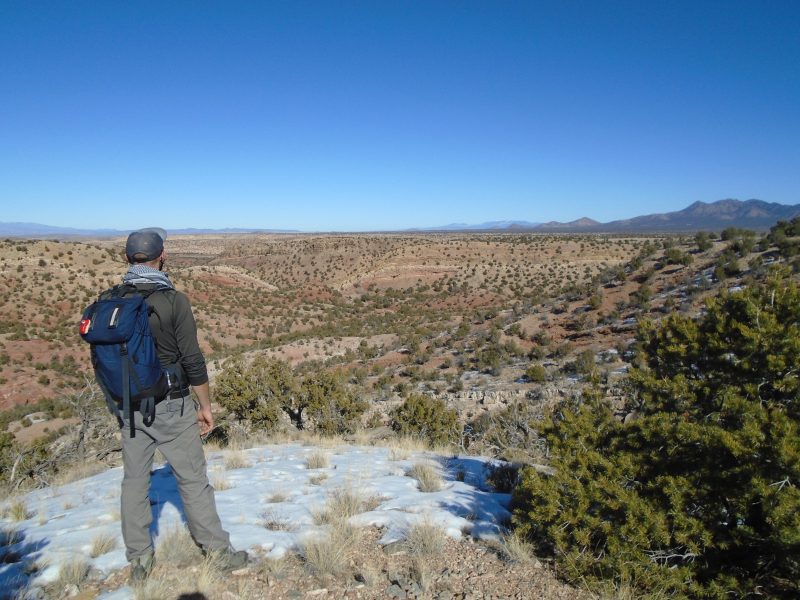
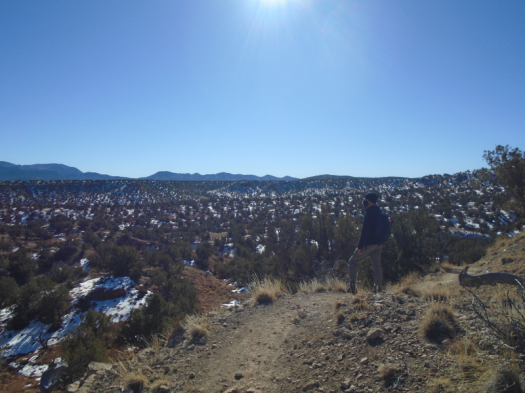
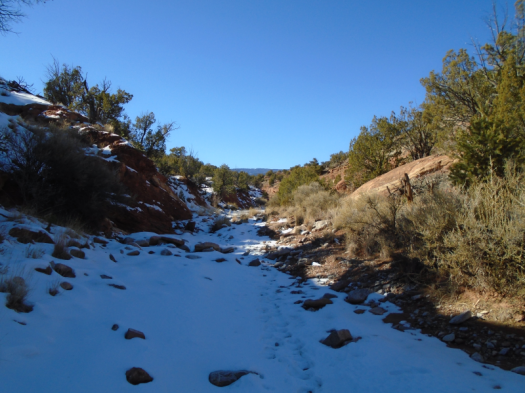
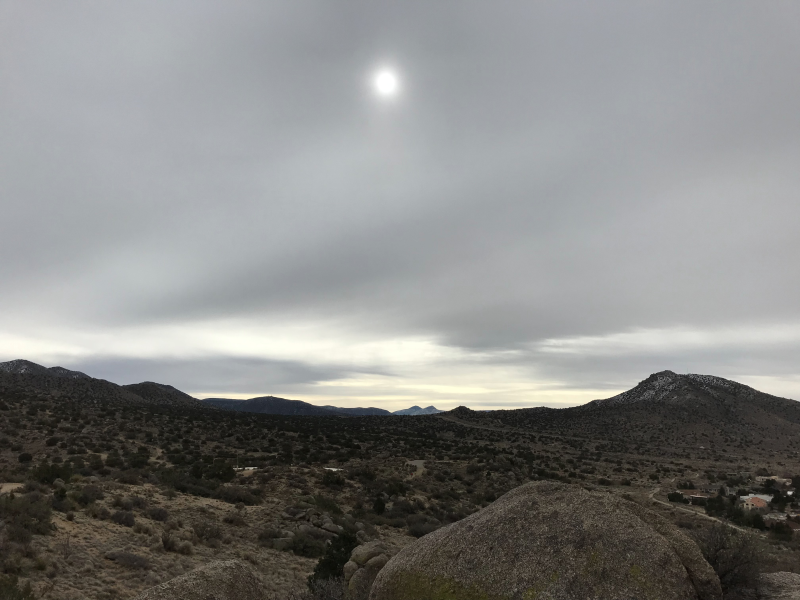
Snow doesn’t last long in the sun-baked hills of Golden Open Space. But north-facing hills haven’t yet cast off their last blanket. A few icy spots in the shade of a juniper’s twist dot the trail.
Well, it will be. Now, cool east wind brushes canyon walls’ shadow.
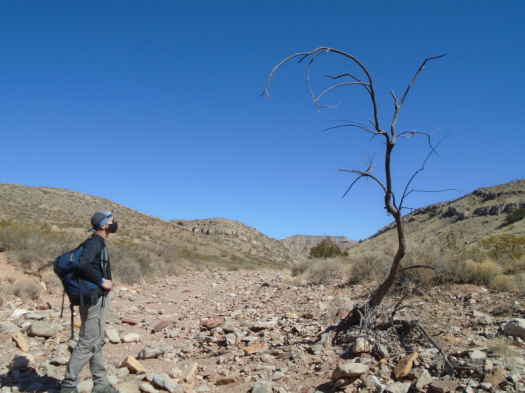
The predator sun lurks like the hawks above, the bobcats whose scat dots this arroyo.
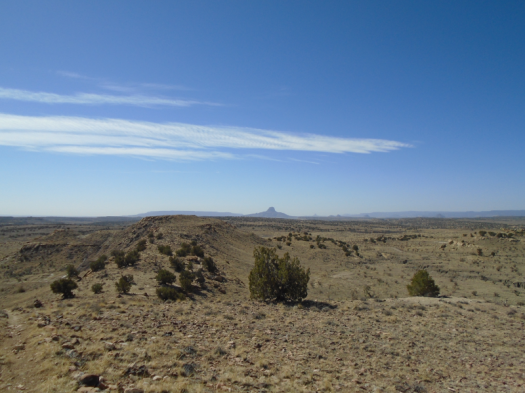
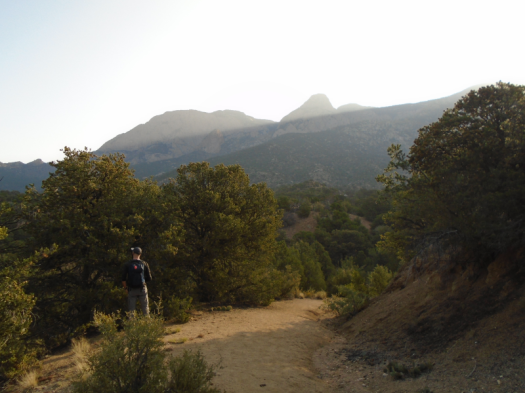
The temperature will climb above 80 here, in the hills at 6,000 feet elevation, on October 17.
The wind will shift to the west, whip into a gale. Red flag warning. So dry any spark would kindle and spread instantly.
But we have a few hours before all of that. And we’ll see very few humans here at Cañada de la Cueva. That was the deciding factor, with 812 new cases of the virus in the state yesterday. A record that broke a record that broke a record.
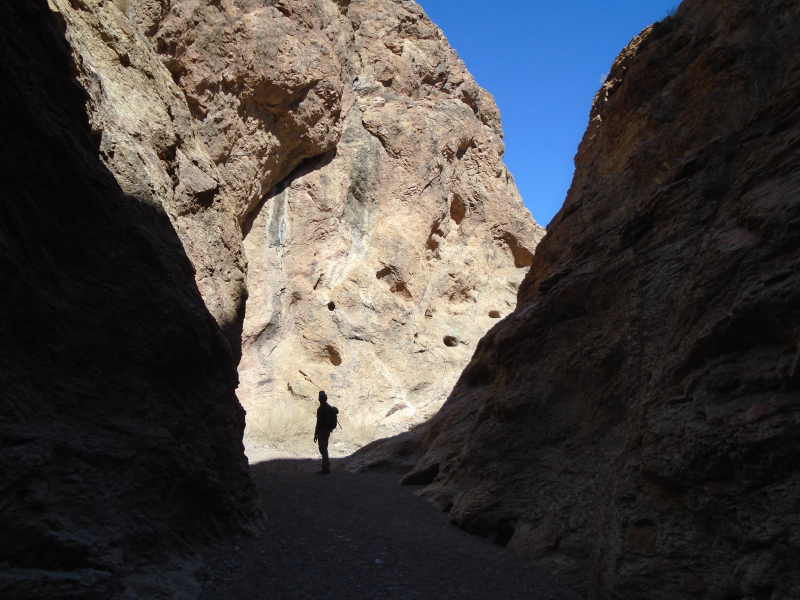
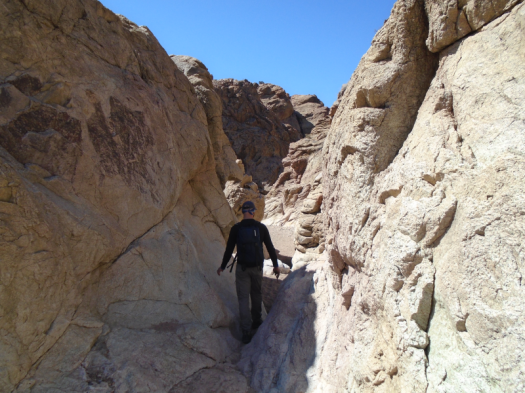
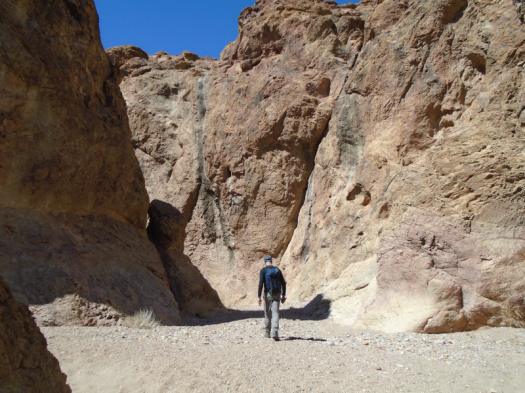
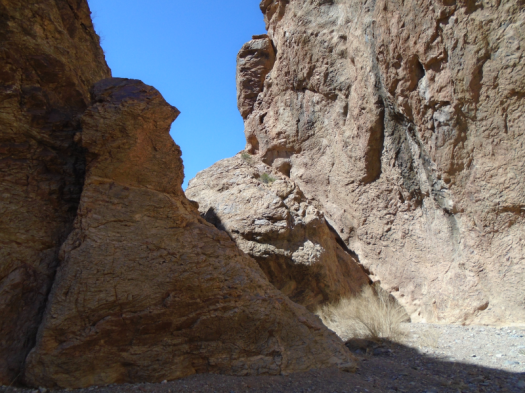
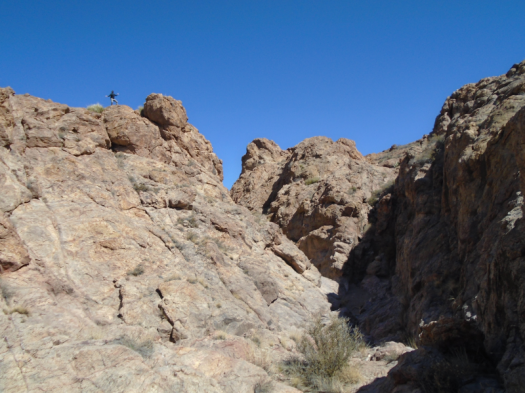
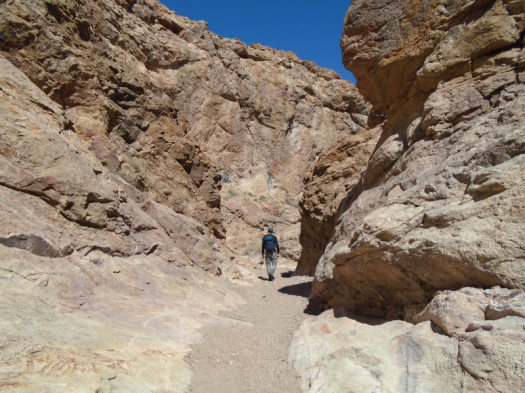
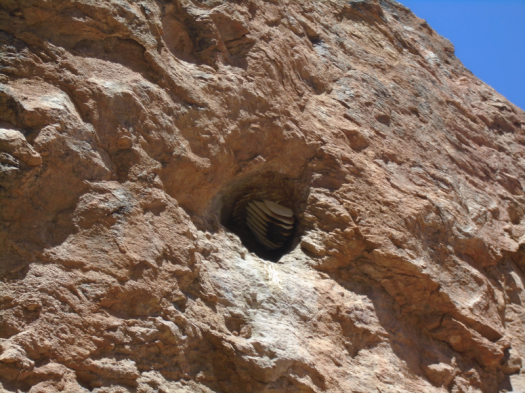
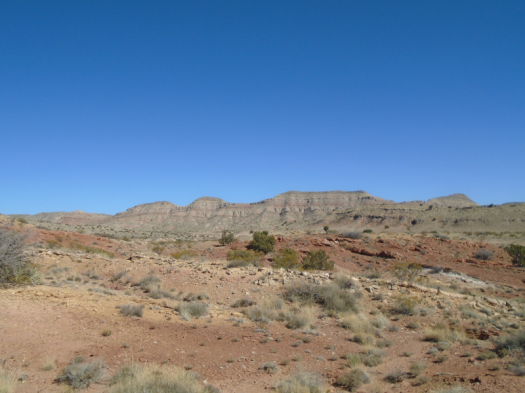
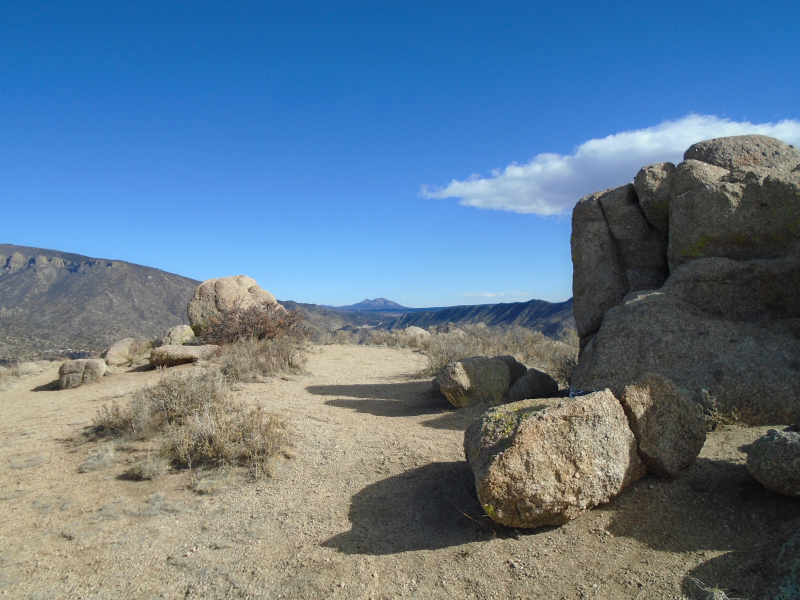
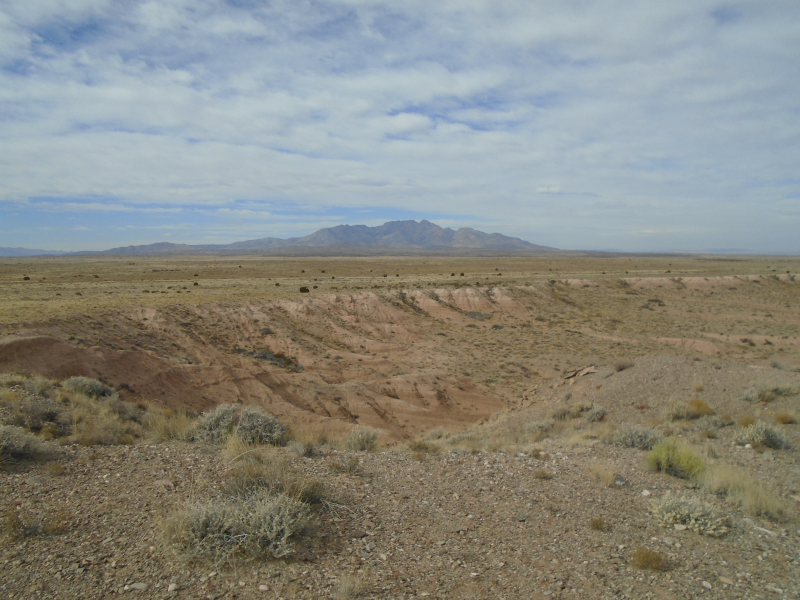
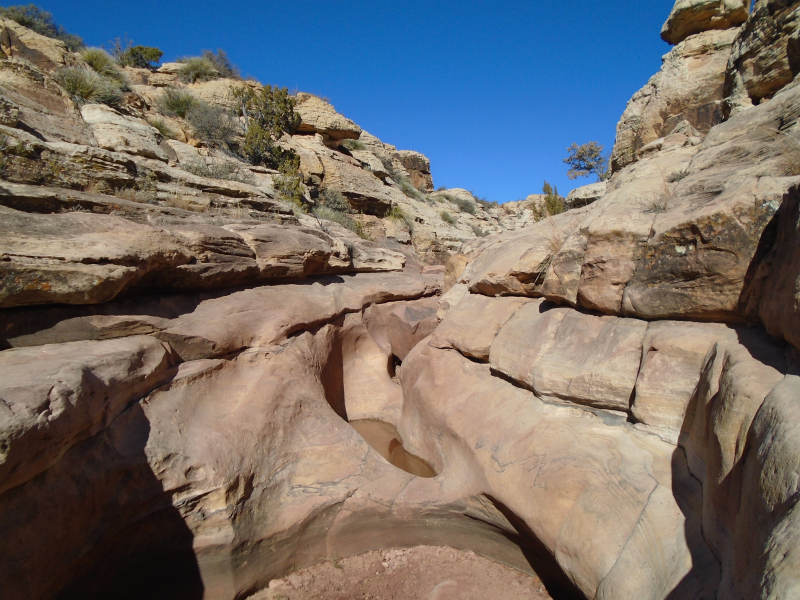
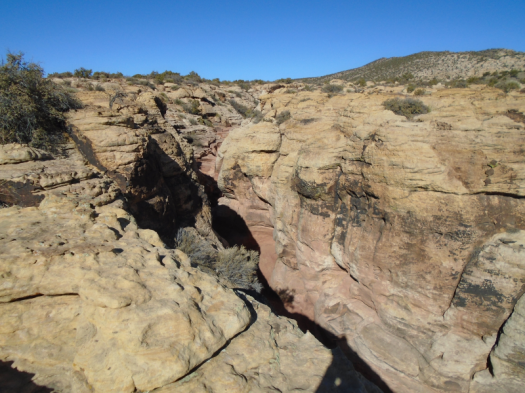
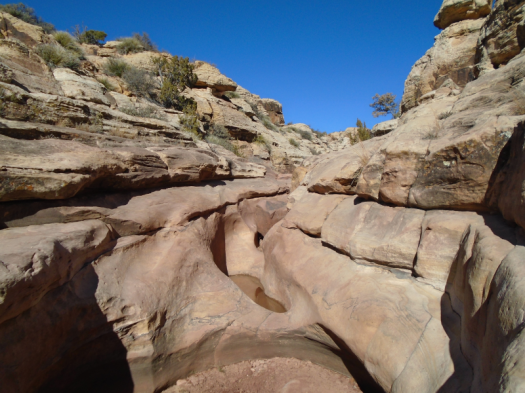
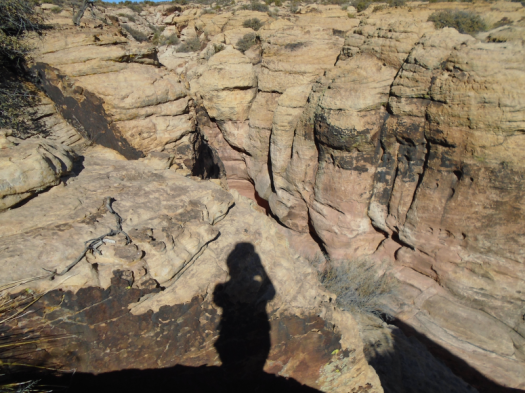
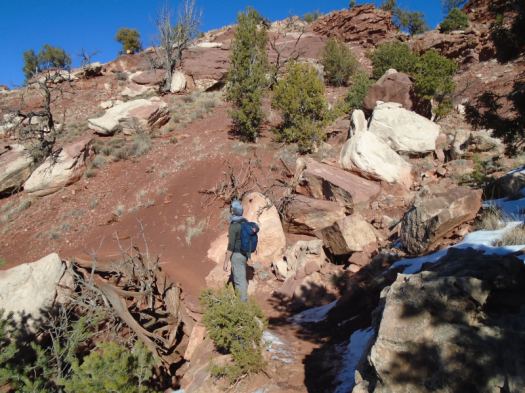
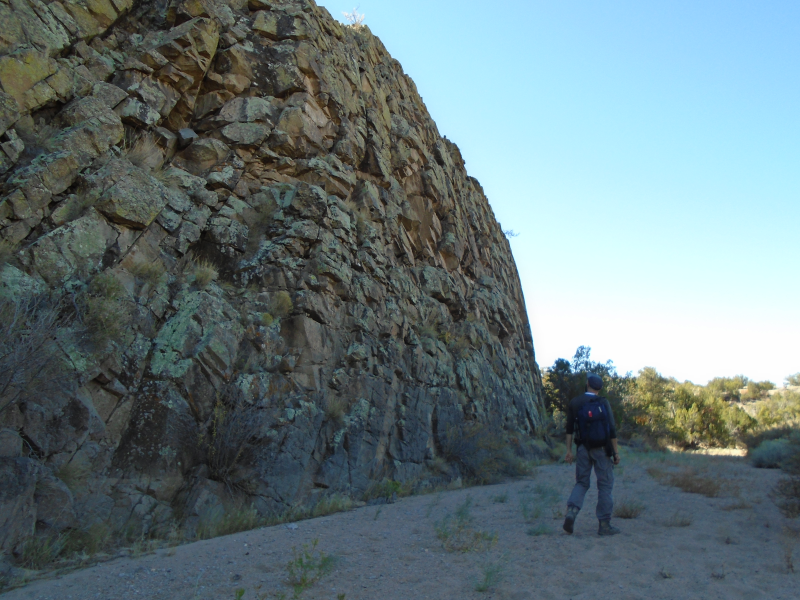
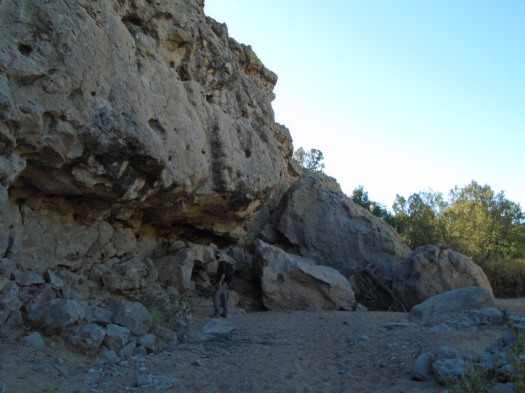
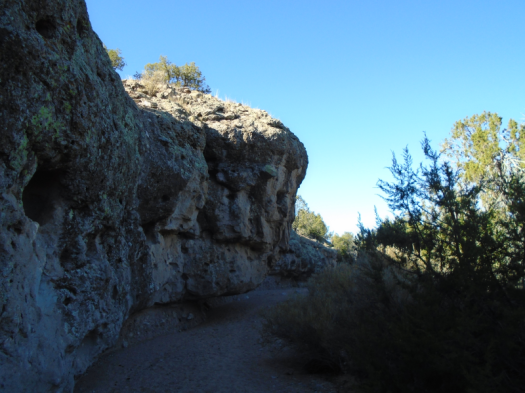
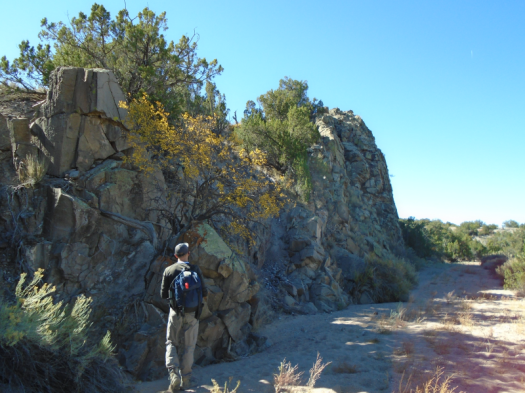
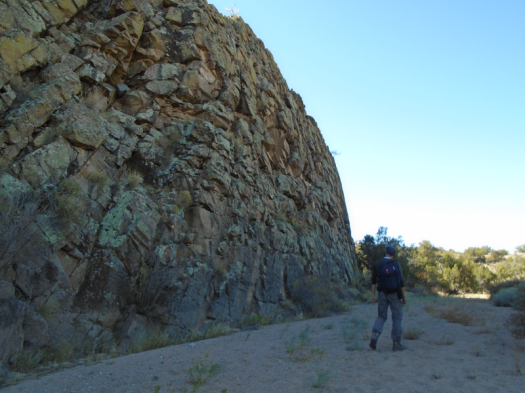
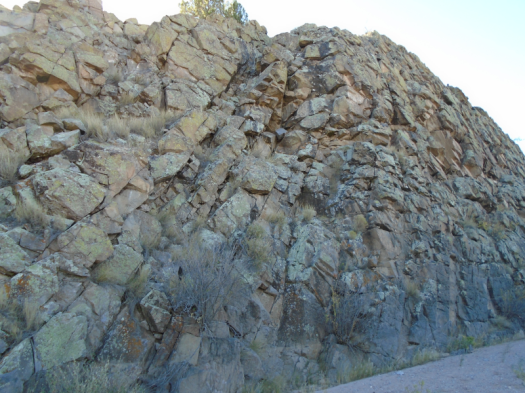
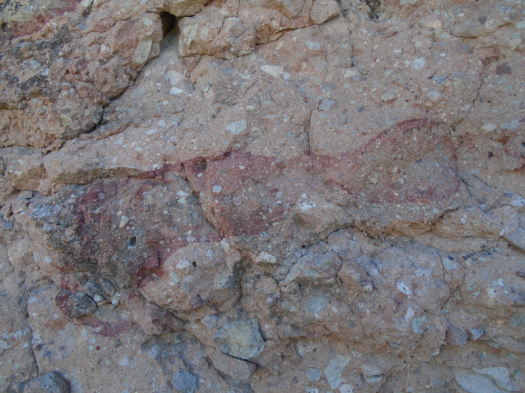
The canyon squeezes and opens. Rock walls emerge: lichen-stitched basalt blocks, pebbles embedded in stone. The Ortiz Mountains prairie-dog above the canyon.
Miles downstream, we see one, then another and another horseback rider descend from the hills to the canyon.
Even this far in, all are masked, as we are. I silently thank them.
“Did you come from the dump?” one rider asks. (Yes, this trailhead is at a dump.)*
We tell him we did.
“That’s a long walk!” he says.
“Yes, and it’ll feel longer going uphill on the way back,” I laugh.
Uphill. In sand. And heat.
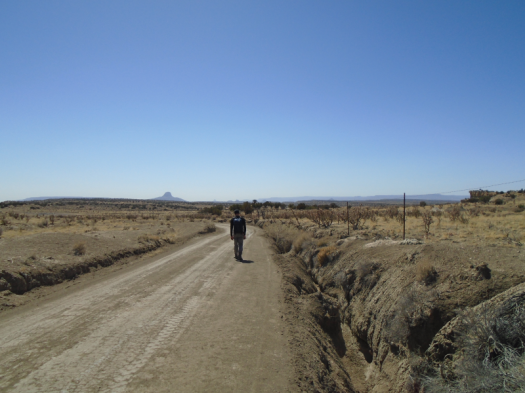
The return a two-hour trudge. I knew it would be.
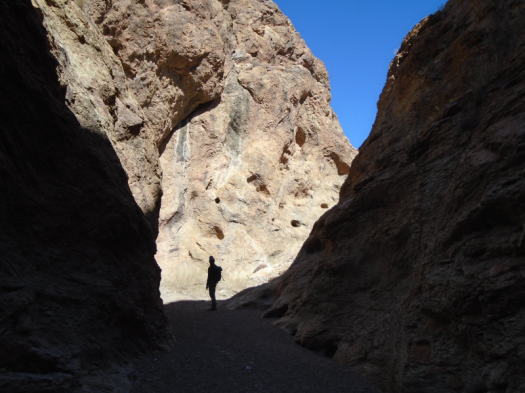
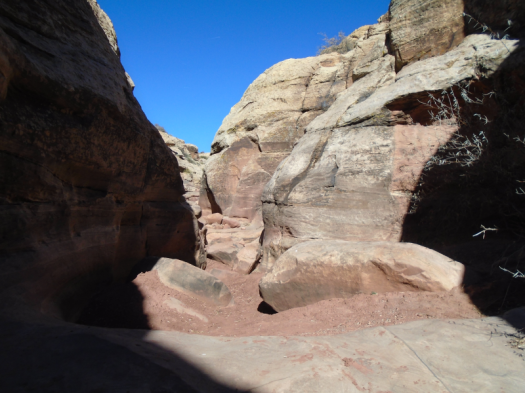
But the big, dark rock walls cover us with coolness as we pass.
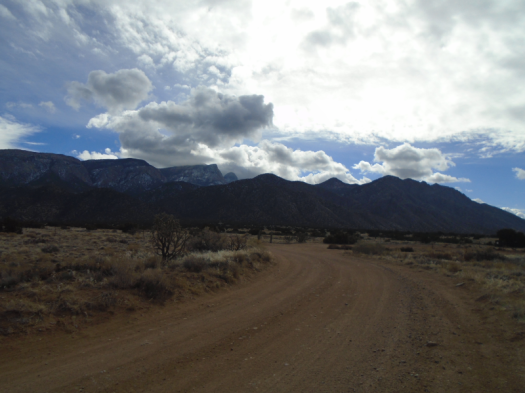
The sky glows incandescent blue, a shade that appears only in fall here, that appears even when it feels like summer.
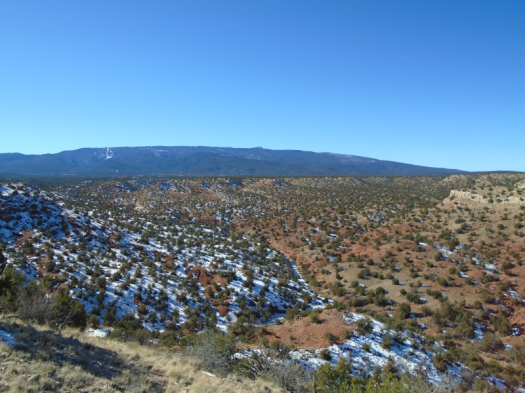
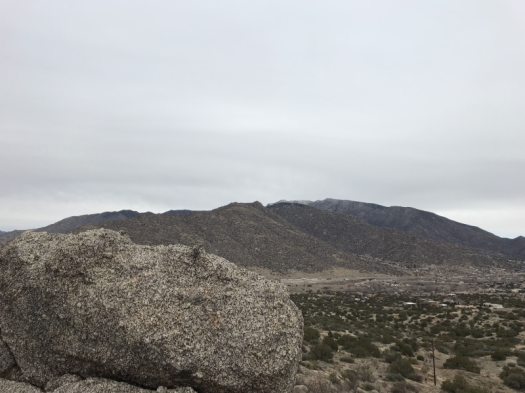
Wildfire smoke all the way from the West Coast shapes our view of Juan Tabo Canyon today.
But air quality readings are acceptable.
And just past the trailhead, a couple shakes piñon nuts from tree into basket.
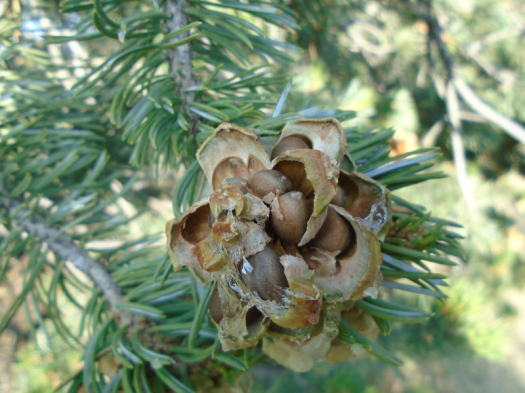
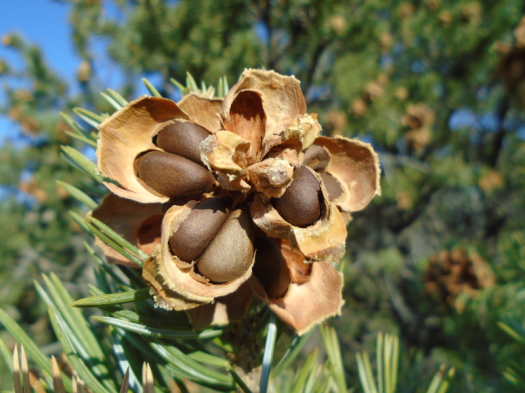
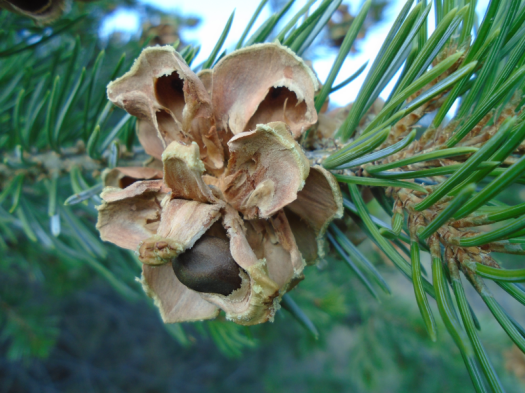
I’ve never seen anyone do that in person. And in all these years of wandering piñon-juniper hills, inhaling pine sap, I’d never spotted a cone bursting with nuts.
But once I do, they’re everywhere.
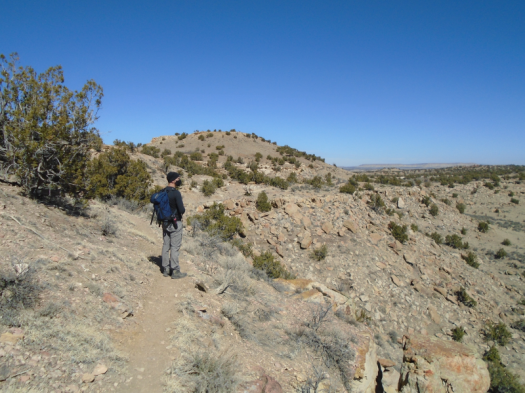
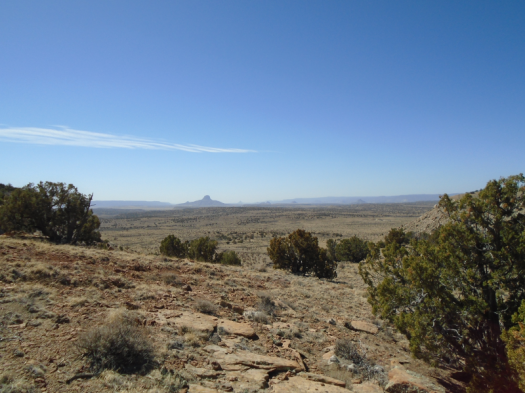
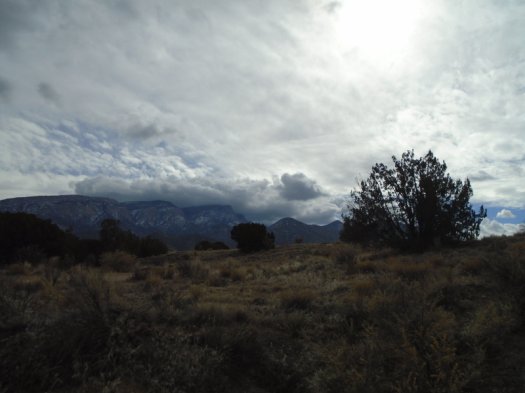
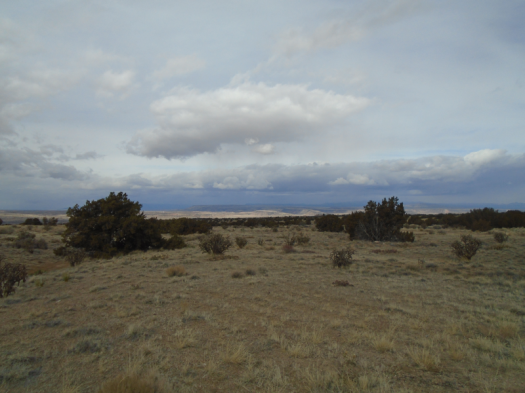
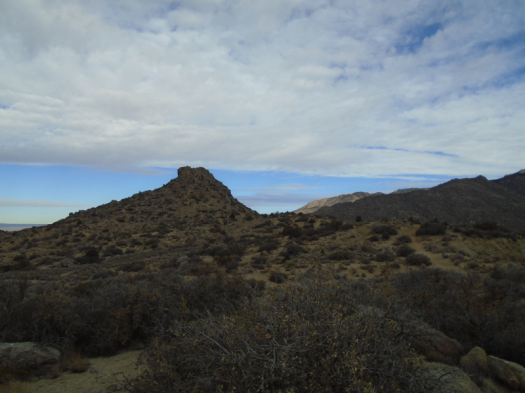
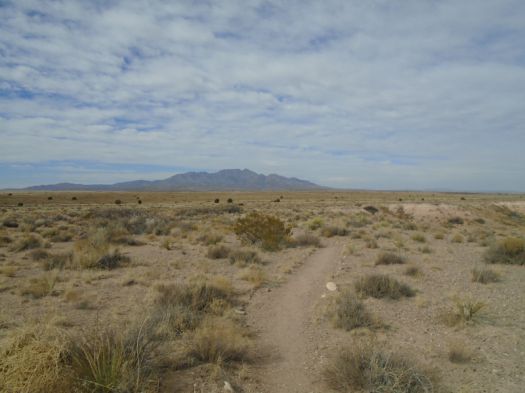
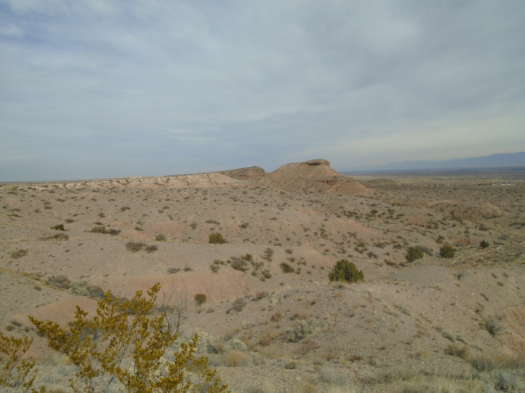
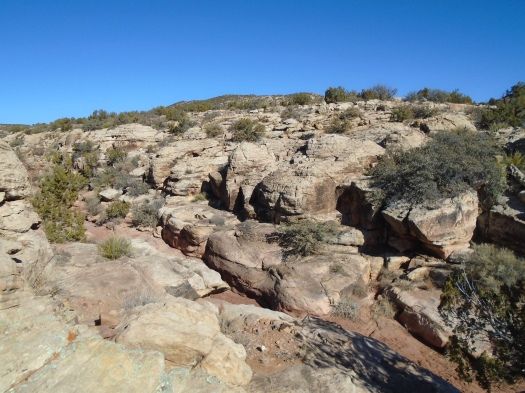
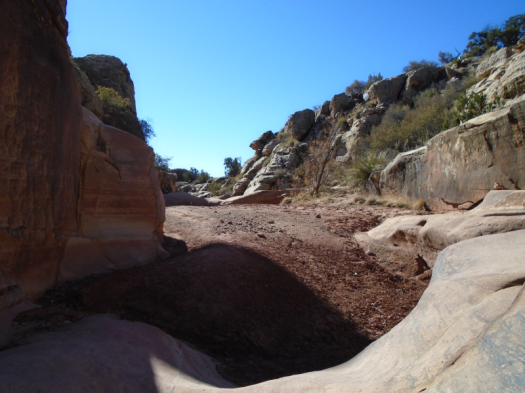
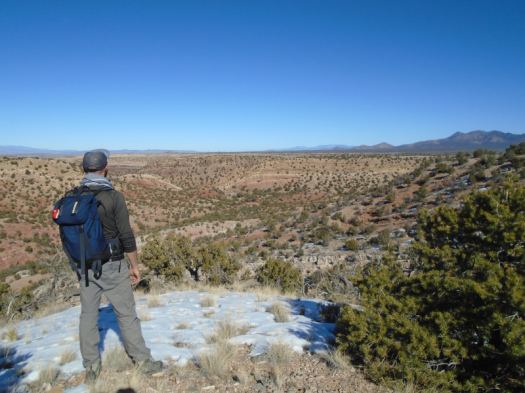
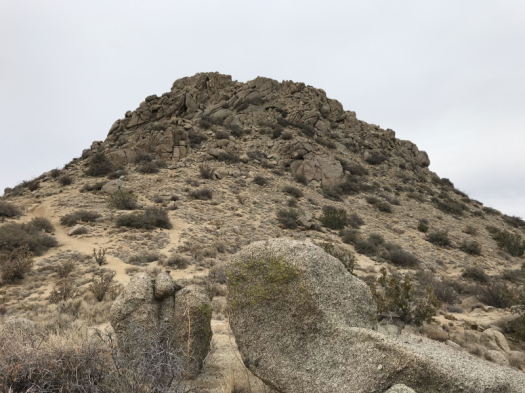
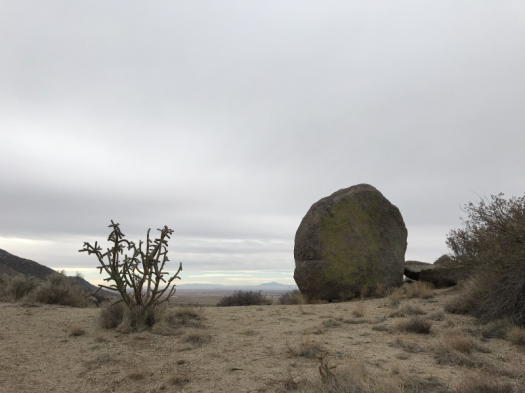
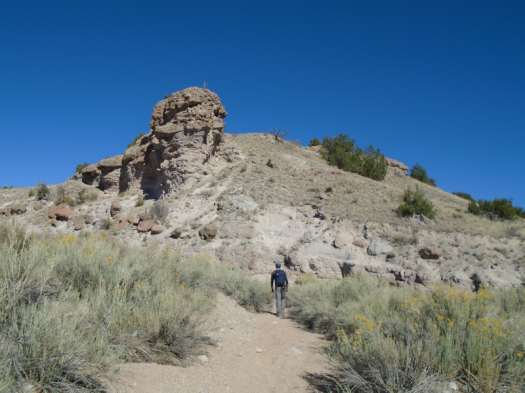
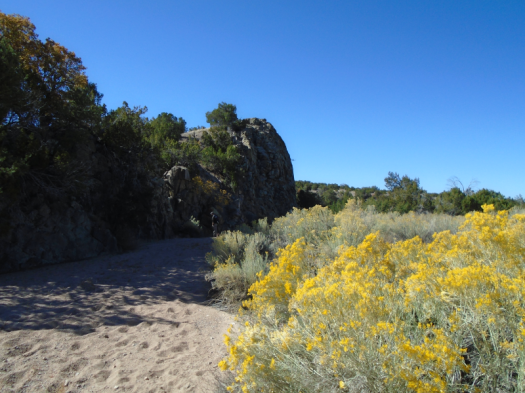
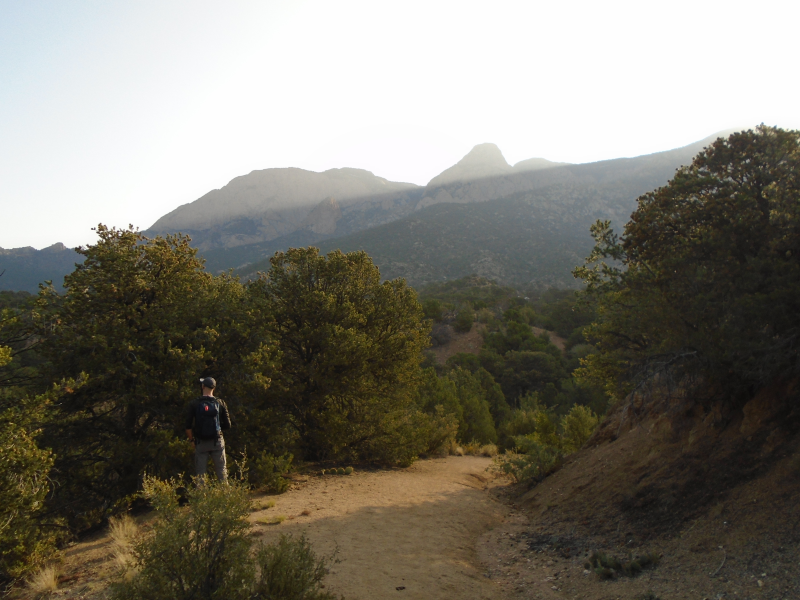
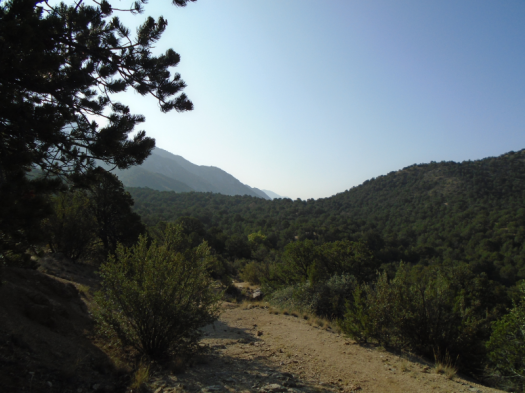
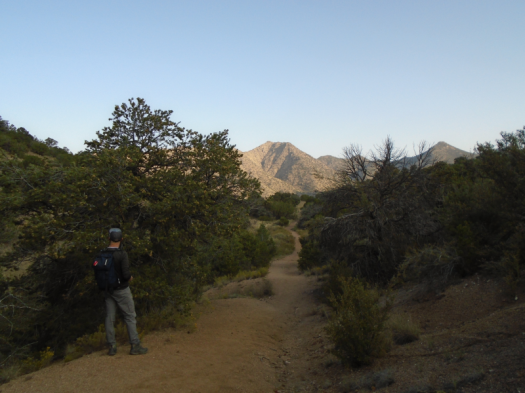
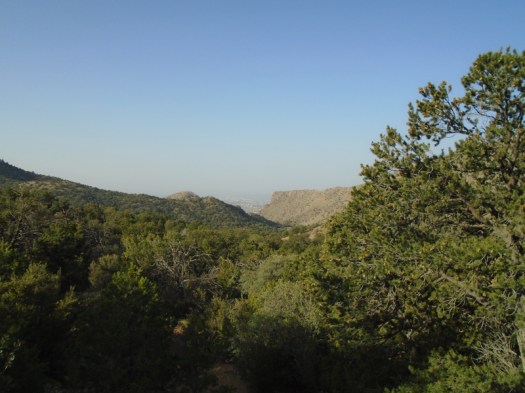
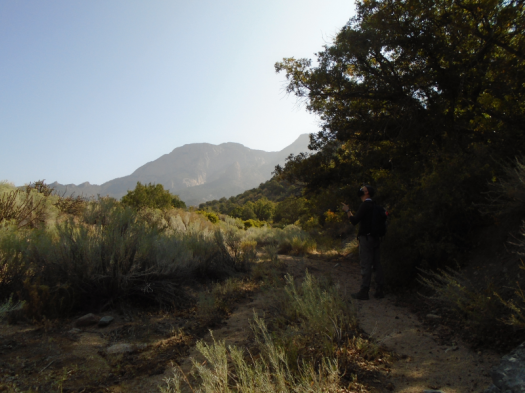
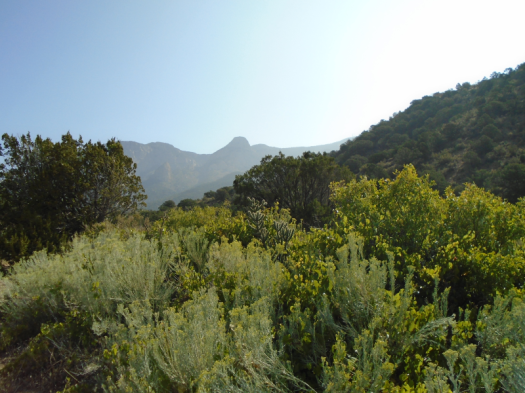
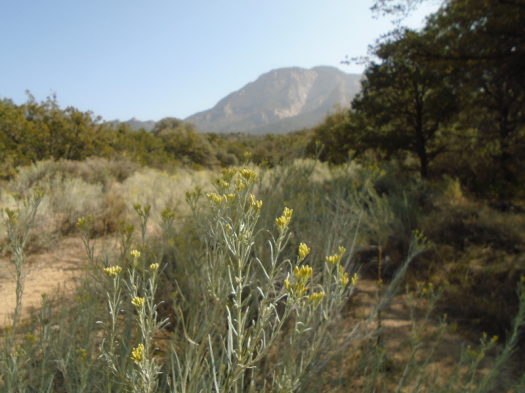
High desert and forest formed a truce in this canyon. Sandy arroyos underfoot (literally: we’re on the Sandy Arroyo Trail.) Chamisa, cacti. Oak, juniper and cone-heavy piñon line the arroyo.
Almost no humans. Mostly flying things.
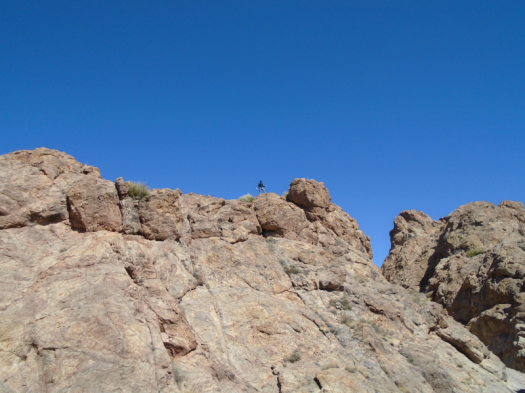
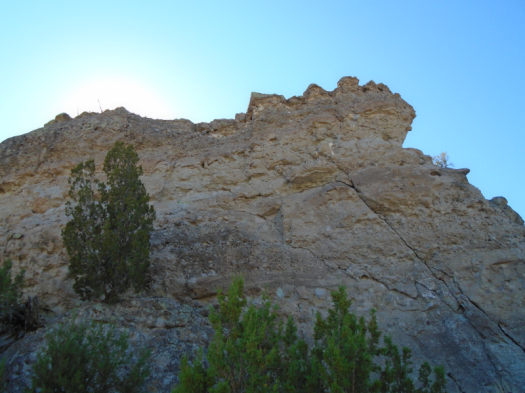
A hawk haunts the notch atop the canyon wall, hundreds of feet above. Pinyon jays crisscross the drainages. A flash of yellow, maybe a warbler, in an oak. Tarantula hawk above.
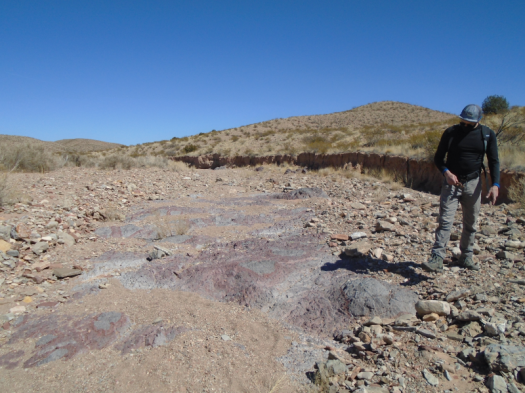
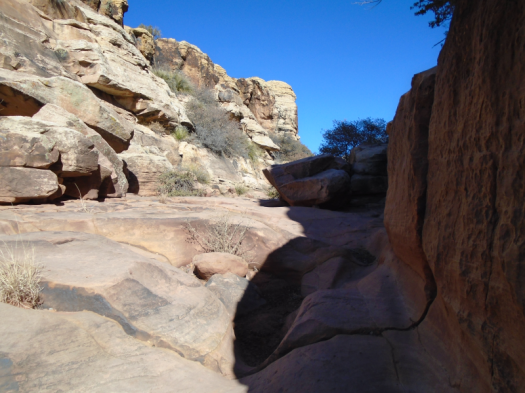
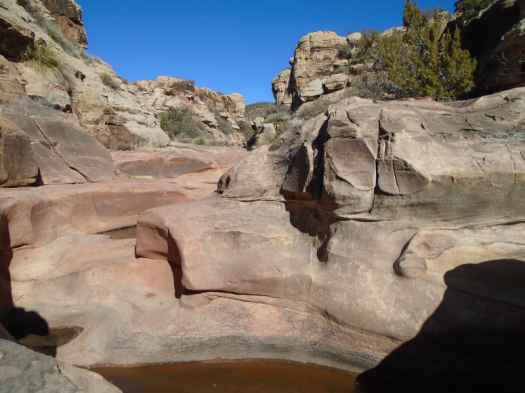
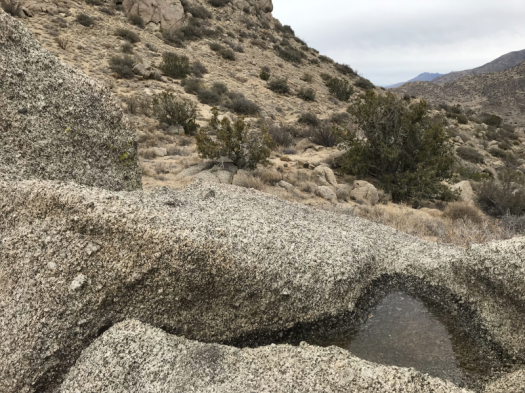
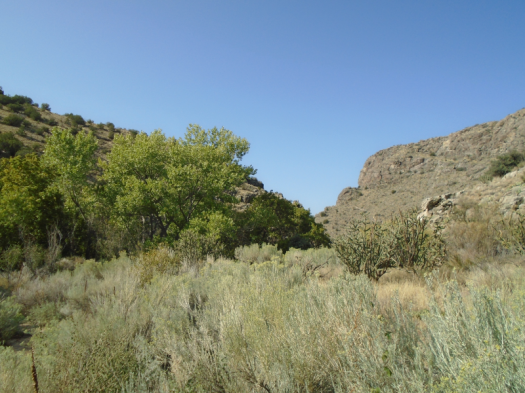
The canyon bottom has water, sometimes. Not today. But a small cottonwood thicket stands strong. Patches of dark soil remember being mud.
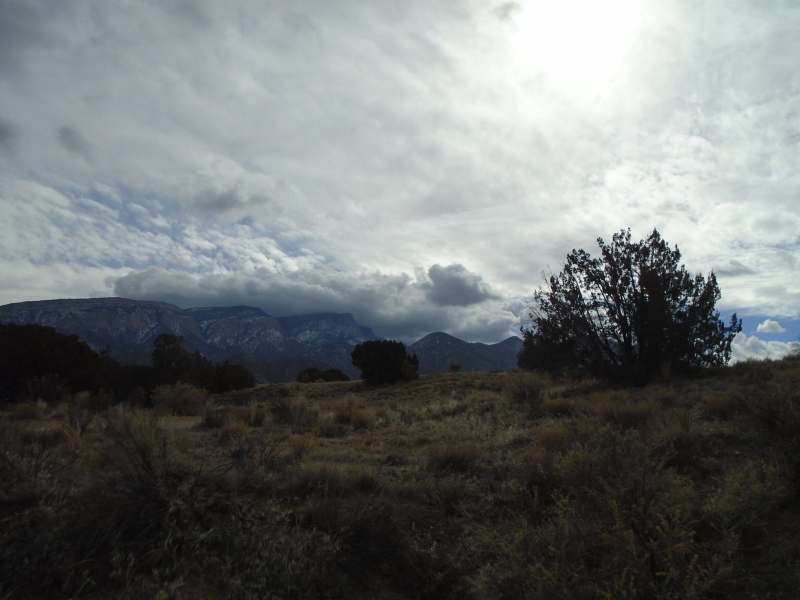
Haze persists over the mountain, but the sky right above us is now blue.
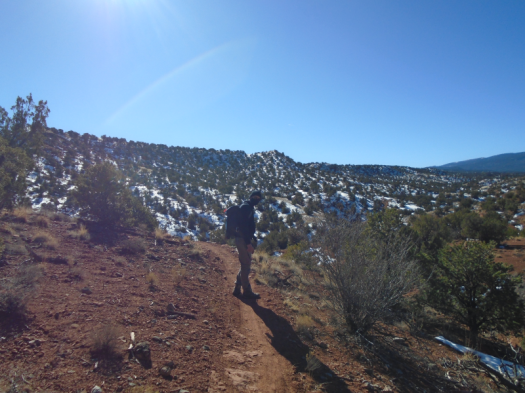
The midday uphill trek in sand reminds us it’s still summer. The last ridge back up to the car, still in cool shadow this morning, punishes in full sun.
Now, several piñon-seekers line the path to the trailhead.
It’s still summer in the canyon, but it’s fall in the trees.
 Woman Seeks Elevation