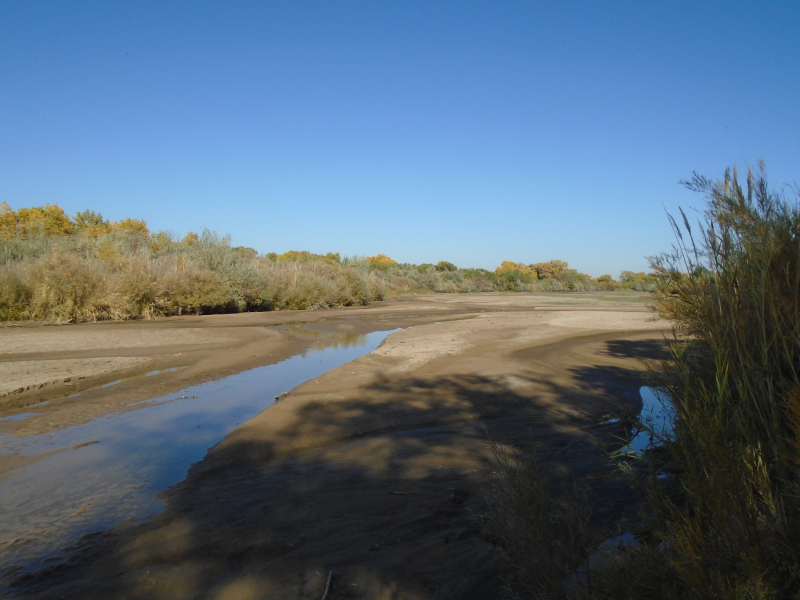
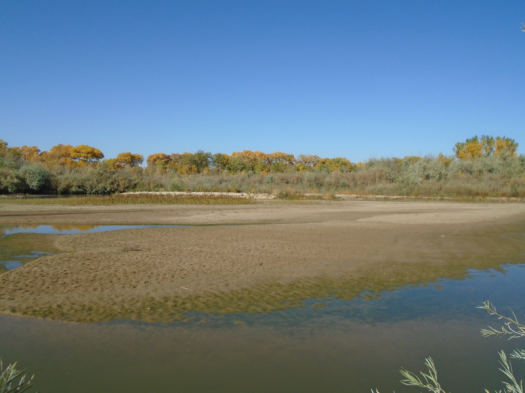
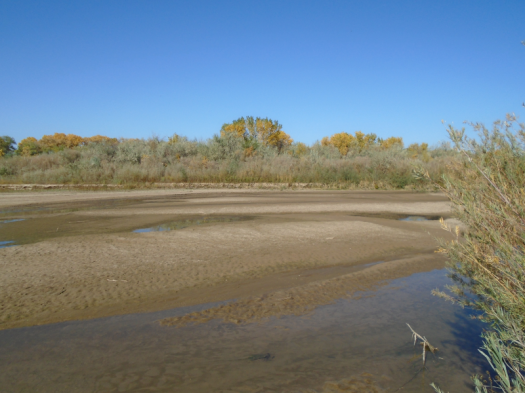
I could cross the Rio Grande here and not get wet.
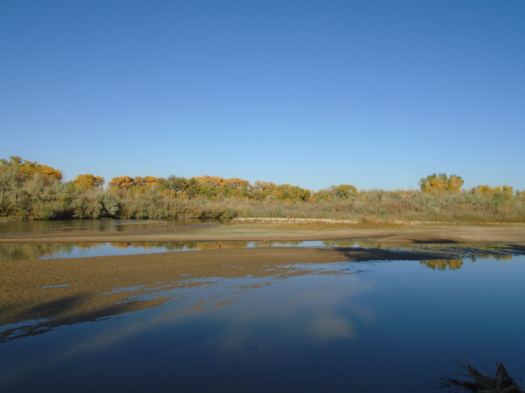
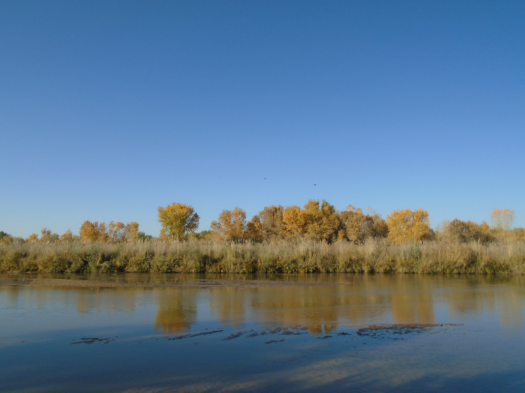
I stand on the riverbank at Valle de Oro National Wildlife Refuge. The river’s all but dry in this spot. One small channel of water courses through it.
Water flows further south, but in places it’s only an inch deep.
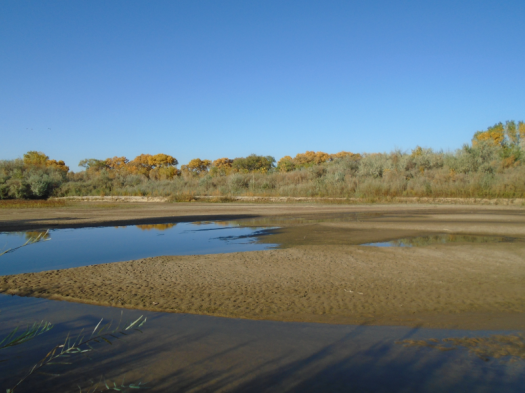
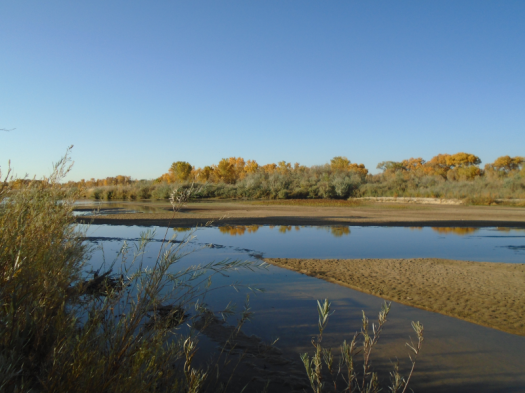
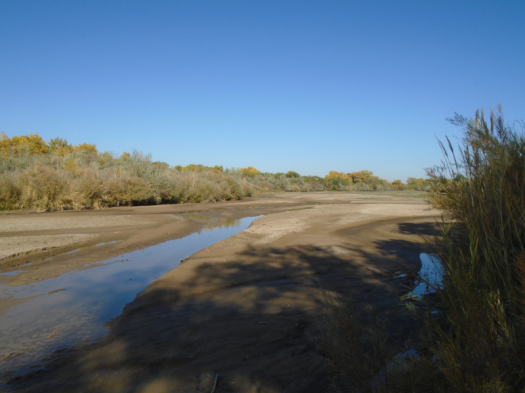
And still, constant bird music.
A great blue heron stands on a sandbar, then lifts off.
Ducks spring from the bank, honking.
Sandhill cranes coast above, creaking like a rusty hinge in the wind.
Creatures upon creatures trace the river’s drying veins, find nourishment.
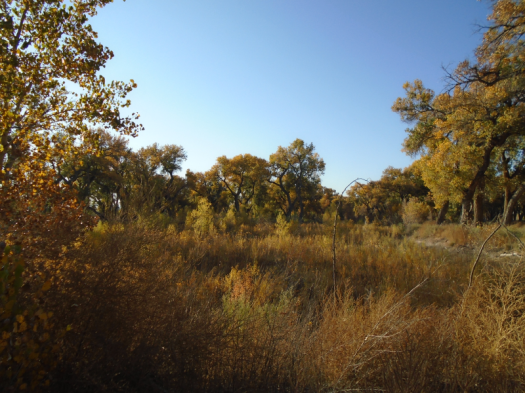
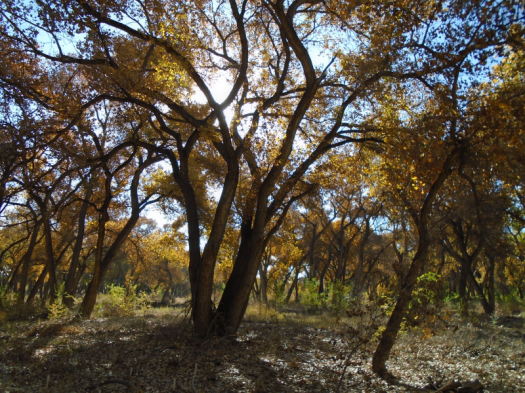
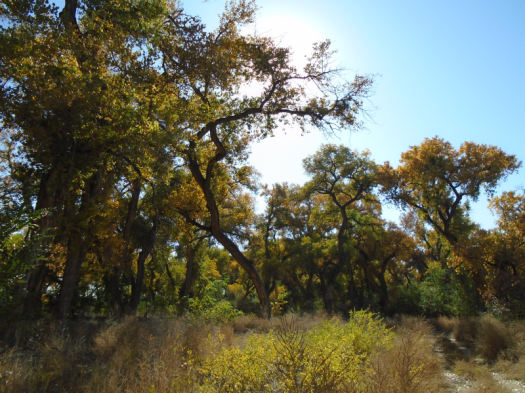
We have made this hot, dry world with our thirsty vehicles, our plastic packaging.
Yet we can make space for these creatures, too.
The refuge, carved out of an industrial area, ever changing. This summer they closed the refuge’s dirt roads to vehicles so the old pastures can revert to wetlands. To reach the bosque now requires a shadeless 2-mile walk from the refuge’s entrance.
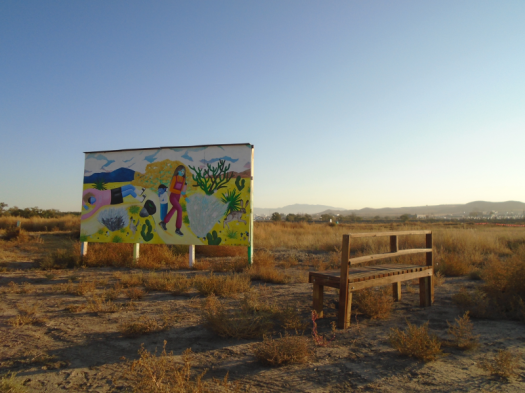
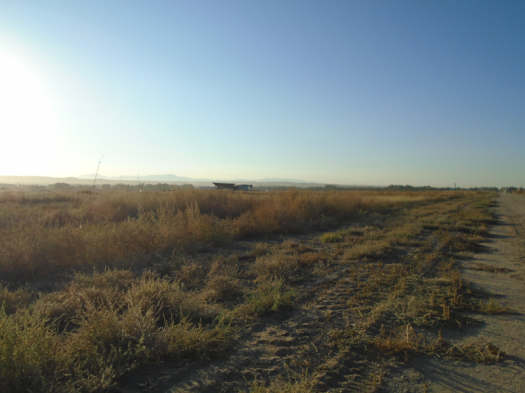
Here in Albuquerque’s South Valley, air quality can reach unhealthy levels. Dust and dirt from the area’s industrial operations often hang in the air, while my neighbors and I breathe freely further north.
But a river refuge, even a drying one, gives all of us creatures a space to breathe.
Hike length: 5.6 miles
Difficulty: easy
Trail traffic: very light
Wildlife spotted/heard: great blue herons, sandhill cranes, geese, ducks, butterflies, grasshoppers, coyote, American dipper, swallows
 Woman Seeks Elevation